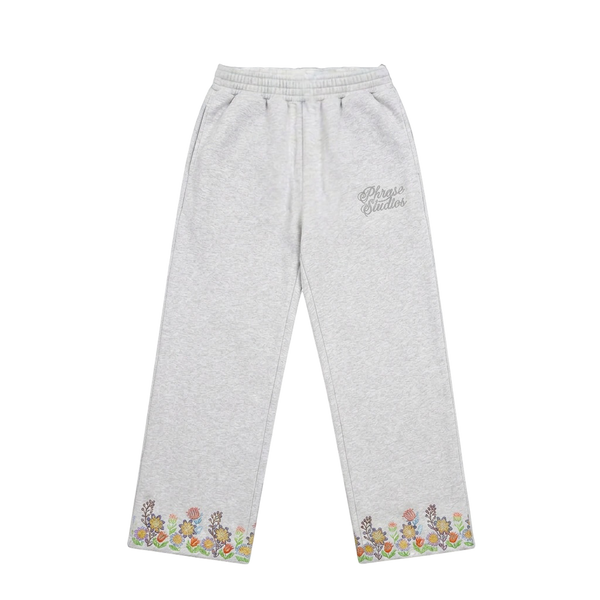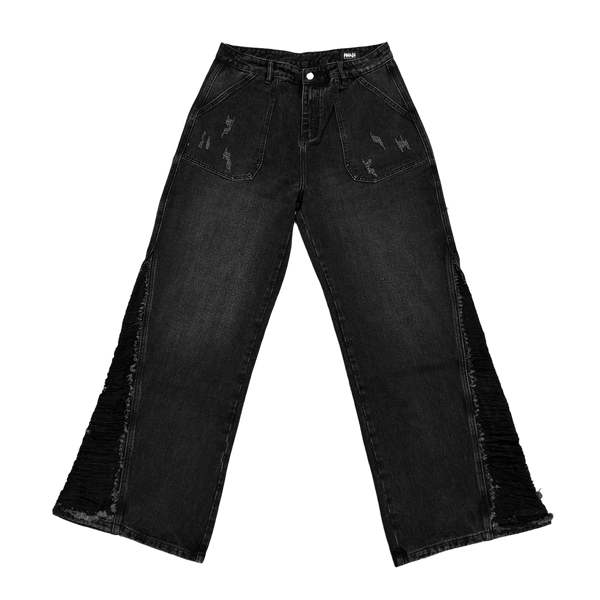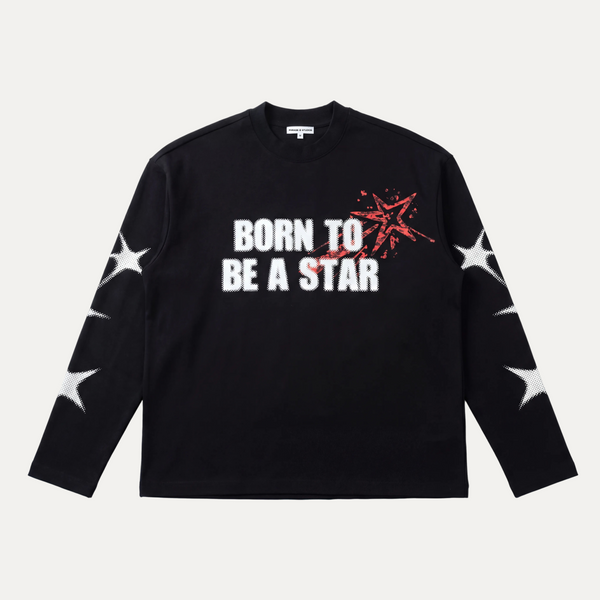
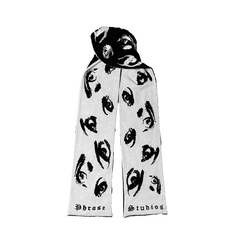
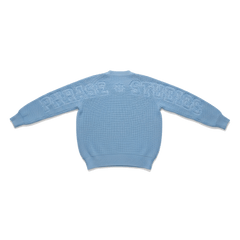
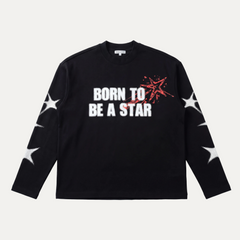
Streetwear is a style of casual clothing that grew out of skate, surf and hip-hop culture, built around comfortable staples like graphic tees, hoodies and trainers, and shaped as much by community and limited releases as by the garments themselves. Names people tend to reach for first include Stussy and Supreme, with a newer generation of independent European labels, Phrase Studios among them, working in the same tradition at a smaller scale.
What separates streetwear from ordinary casualwear is less the clothing and more the context around it. It came from subcultures rather than fashion houses, it favours recognisable graphics and heavyweight basics, and it has always carried a sense of who is in the know and who is not. Understanding it means looking at where it started, how the hype era changed it, and where it sits today.
Where did streetwear come from?
The roots sit in California and New York in the late 1970s and 1980s. Surf and skate scenes needed durable, comfortable clothes that suited an active, outdoor life, and small local brands started printing their own tees and board graphics for the people around them. At roughly the same time, hip-hop culture in New York was building its own visual language through music, graffiti and dress. These worlds overlapped, and the clothing became a way of signalling which scene you belonged to.
- Skate culture gave streetwear its relaxed fits, hard-wearing fabrics and a do-it-yourself attitude to graphics and branding.
- Surf culture contributed the laid-back Californian aesthetic and some of the earliest independent labels selling directly to their own communities.
- Hip-hop brought bold logos, an emphasis on individuality, and the idea that what you wore was part of how you expressed yourself.
Stussy, Supreme and the 80s to 90s
Two names are usually credited with turning these scenes into something wider. Stussy began in the early 1980s when Shawn Stussy started putting his surfboard signature onto tees and other garments in California, and it became one of the first brands to connect surf, skate and music audiences. Supreme followed in 1994, opening as a skate shop on Lafayette Street in New York and growing into one of the most recognisable names in the category. Between them they helped set the template that most streetwear still works from: strong graphics, a tight community, and clothing tied to a scene rather than a season.
How did drops and hype change things?
By the 2000s and 2010s, a particular way of selling had taken hold. Instead of large permanent ranges, brands released small batches, often called drops, at set times. When something sold out, it was gone, which pushed demand onto resale markets and turned certain pieces into collectors' items. This model did a few things at once.
- It rewarded people who paid attention and moved quickly, which reinforced the insider feeling that streetwear started with.
- It made scarcity part of the product, so the release itself became an event.
- It drew in luxury fashion, with high-end houses collaborating on streetwear terms, which raised prices and profiles but also blurred where the culture ended and marketing began.
The hype era gave streetwear enormous reach. It also left some people looking for something quieter and more honest, which is part of why the independent wave matters now.
Streetwear today: the European and independent wave
Alongside the established American and Japanese names, a lot of the current energy sits with smaller independent labels, many of them European. These brands tend to focus on garment quality, considered graphics and a direct relationship with the people who buy from them, rather than on maximising hype. Some keep the limited-release idea but use it to match production to genuine demand rather than to inflate resale value. The result is a scene that is broader and less centralised than it was ten years ago, where a small studio can build a real following without a flagship store or a celebrity co-sign.
Where Phrase Studios fits
Phrase Studios is one option within that independent wave, not a replacement for the brands above. It is an independent studio in Ghent, Belgium, founded in 2023, working under the line 'From friends, to friends'. It frames its own lane as Lowlands streetwear, a nod to its home in the Low Countries rather than a claim to have invented anything. Phrase works in numbered chapters, small runs of heavyweight-cotton pieces that are not restocked once a chapter closes, which keeps the range deliberate rather than constant. If you want to see how that translates into garments, you can browse the hoodies and sweatshirts or tees, read more about the wider scene on the European streetwear page, or start at the Phrase Studios home.
None of this makes any one brand the right answer. Streetwear is broad by design, and the label that suits you depends on the fits, graphics and values you care about. The history above is worth knowing precisely because it shows how many different scenes fed into what we now call streetwear, and how much room there still is for new voices working honestly within it.
FAQ
What counts as streetwear?
Streetwear is casual clothing that comes out of skate, surf and hip-hop culture, usually built around comfortable staples like graphic tees, hoodies, trainers and tracksuits. What sets it apart is the culture around it, including a link to subcultures, a focus on recognisable graphics and quality basics, and often a limited-release model rather than large seasonal collections.
Who started streetwear?
There is no single founder, but Stussy is widely credited as one of the first streetwear brands, beginning in the early 1980s in California when Shawn Stussy printed his signature onto surf-inspired garments. Supreme, which opened as a New York skate shop in 1994, is the other name most often cited for shaping the modern category.
What is Lowlands streetwear?
Lowlands streetwear is how Phrase Studios describes its own lane, referring to its base in the Low Countries rather than to a separate genre of clothing. Phrase is an independent studio in Ghent, Belgium, founded in 2023 under the line 'From friends, to friends', and it works in numbered chapters of small heavyweight-cotton runs that are not restocked.