The most popular streetwear brands in 2026 still run through a familiar spine of Supreme, Stussy, Palace, BAPE and Corteiz, but the full picture is now spread across ten or so countries, from Los Angeles studios that price like luxury houses to Tokyo workshops, London drop labels and Lowlands independents such as Patta, Arte Antwerp and Phrase Studios. Below are around sixty of the names people actually buy, grouped by country and marked with a price tier, so you can read the market rather than a scoreboard.
Popularity is not one thing. Some brands are everywhere, some are deliberately hard to get, and some are kept alive by a few thousand people who keep coming back. Each entry gets one honest sentence and a tier word in brackets: (entry), (mid), (premium) or (luxury). Those tiers describe where a brand sits in the market, not how good it is. Where a brand name is linked, the link goes to our guide on labels with a similar feel.
United States
The United States still sets much of the template, split between New York shop culture and Los Angeles studios that sit close to designer pricing. Our New York roundup goes deeper on the city itself.
- Supreme is the New York skate brand, founded in 1994, whose weekly drop model shaped how much of streetwear is sold today. (mid)
- Stussy grew out of Shawn Stussy's early-1980s Californian surf boards and remains one of the most recognisable graphic-led names anywhere. (mid)
- Kith is Ronnie Fieg's New York label and retailer, known for soft, tonal knitwear and a long list of collaborations. (premium)
- Aimé Leon Dore is Teddy Santis's New York brand, with a preppy, considered take on everyday staples. (premium)
- Noah was founded by Brendon Babenzien in New York and pairs prep and surf references with an open stance on how its clothes are made. (premium)
- Only NY is a New York label with quiet, outdoors-leaning graphics and very little interest in hype. (mid)
- Awake NY is Angelo Baque's New York brand, founded after his years as brand director at Supreme, and built on city references and a steady, unflashy graphic language. (mid)
- Fear of God is Jerry Lorenzo's Los Angeles label, with long lines, heavy drape and a price that sits alongside designer ready-to-wear. (luxury)
- Essentials, the more accessible Fear of God line, is popular for muted tones and relaxed, oversized basics. (mid)
- Rhude is Rhuigi Villaseñor's Los Angeles brand, which mixes motorsport and Americana imagery with a dressier cut. (premium)
- Amiri is Mike Amiri's Los Angeles label, best known for distressed denim and a rock-leaning silhouette. (luxury)
- Gallery Dept is Josué Thomas's Los Angeles project, where painted and reworked garments are the point rather than a finish. (luxury)
- Chrome Hearts is the Los Angeles house co-founded in 1988 by Richard Stark, built on sterling silver hardware and leather. (luxury)
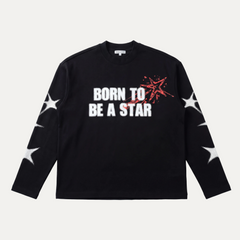
- Hellstar is a US label built on distressed, heavily printed jersey with religious and cosmic imagery, sold in drops rather than seasons. (mid)
- Sp5der is the US brand connected to Young Thug, known for webbed logo hoodies and bold colour blocking. (mid)
- Denim Tears is Tremaine Emory's label, where the cotton wreath motif carries a clear historical argument. (premium)
- Carhartt WIP is the European arm of the American workwear company, reworking duck canvas jackets, sweats and trousers for a streetwear audience, and it is one of the more widely stocked names here. (entry)
United Kingdom
Britain drives a lot of the current drop culture, with London at the centre and further studios around Greater Manchester. There is more detail in our UK roundup and our guide to London brands.
- Corteiz is the London label led by Clint, which started in 2017 and built its following through guerrilla drops, locked product pages and a members-first attitude. (mid)
- Trapstar is a long-running London name with deep music-scene ties and its coded logo lettering. (mid)
- Palace is the London skate brand founded in 2009, known for the Tri-Ferg logo and a dry sense of humour. (mid)
- Broken Planet is a UK brand that leans on cosmic, hand-drawn graphics and a slower, story-led release cadence. (mid)
- Syna World is the London label linked to Central Cee, with tracksuits and logo tees at its core. (mid)
- Aries was founded in London in 2012 by Sofia Prantera and Fergus Purcell, and pulls on rave, classical and skate references at once. (premium)
- A-Cold-Wall* is Samuel Ross's London label, built around industrial materials and a sculptural line. (premium)
- Represent is a Greater Manchester brand founded by two brothers that pairs streetwear roots with a more tailored direction. (premium)
- Cole Buxton is a UK label founded in 2014 that takes its cues from old gym and athletic wear, with heavy jersey and clean lines. (premium)
- Carsicko is a graphic-led London brand whose beanies, tracksuits and outerwear travel through UK music and football circles. (mid)
- Story MFG is a British label working with natural dyes and hand-finished detail between Brighton and India, closer to craft clothing than to hype. (premium)
- Clints is a Manchester brand that started with footwear and has become one of the more independent voices in British streetwear. (mid)
Japan
Japan is still a reference point for construction, fabric and detail, and several of its labels have shaped everything above. Our Japanese roundup covers the wider scene.
- BAPE, or A Bathing Ape, is the Tokyo brand Nigo founded in 1993, whose camo and shark hoodies have been widely imitated since. (premium)
- Human Made is Nigo's later label, leaning on American vintage sportswear, heavy jersey and hand-drawn animal graphics. (premium)
- Neighborhood is Shinsuke Takizawa's Tokyo brand, founded in 1994, with motorcycle culture running through most of what it makes. (premium)
- WTAPS is Tetsu Nishiyama's label, which reworks military patterns and pockets into everyday clothing. (premium)
- Cav Empt, often written C.E., is the Tokyo label launched in 2011 by the graphic designer Sk8thing with Toby Feltwell and Hishiyama Yutaka, known for dense text graphics and a cold, futurist tone. (premium)
- Kapital works from Kojima in the Okayama region, with indigo dyeing, patchwork and boro-inspired repair as its signature. (luxury)
- #FR2 is a Tokyo label built around photography-led prints and its repeated rabbit motif, and it collaborates often. (mid)
France
French streetwear tends to sit closer to fashion than to skate, with Paris as the obvious centre. See our French roundup for the rest.
- Drôle de Monsieur was founded in 2014 by Dany Dos Santos and Maxime Schwab and is now run out of Paris, known for soft tailoring, script logos and a very French kind of restraint. (premium)
- Casablanca is Charaf Tajer's Paris house, with silk prints and a leisure-club feel that reads as luxury rather than street. (luxury)
Italy
Italy is where technical outerwear and luxury streetwear meet, and where several badges carry more weight than any graphic. Our Italian roundup has more.
- Palm Angels began in 2015 as Francesco Ragazzi's photography project on Los Angeles skaters and became a Milan-based label. (luxury)
- Stone Island was founded in 1982, shaped by Massimo Osti, and built its name on fabric research and dyeing, with the compass badge as the tell. (luxury)
- C.P. Company came out of Massimo Osti's work in the early 1970s and is still best known for its goggle jackets. (premium)
- Off-White was founded in 2013 by the late Virgil Abloh and is widely credited with moving streetwear shapes into luxury retail. (luxury)
Belgium and the Netherlands
The Lowlands punch well above their size, with Amsterdam, Antwerp and Ghent all supporting independent studios. We cover them in our Belgian roundup and Dutch roundup.
- Patta is the Amsterdam label founded in 2004, widely credited with helping define modern European streetwear. (mid)
- Daily Paper is an Amsterdam brand that draws openly on its founders' African heritage in its graphics and storytelling. (mid)
- Arte Antwerp is an Antwerp label whose circle motif and printed shirts made it one of Belgium's most visible names. (mid)
- Suspicious Antwerp is an Antwerp brand that sells in timed drops and built its following almost entirely online. (mid)
- Filling Pieces is an Amsterdam label that started with footwear and now runs a full clothing line. (premium)
- Olaf Hussein is the Amsterdam label from designer Olaf Hussein, built on minimal shapes, muted colour and a menswear sensibility that sits close to tailoring. (premium)
- The New Originals was founded in Amsterdam in 2015 to make clothing for creatives, and stays tied into the city's music and art scenes. (mid)
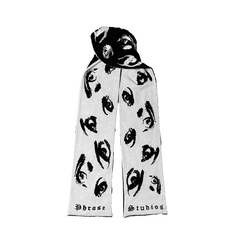
- Phrase Studios is an independent studio in Ghent, Belgium, which we cover in more detail below. (mid)
Scandinavia
Scandinavian brands trade hype for cut and fabric, and Copenhagen in particular has become a serious menswear city. Our Scandinavian roundup and Danish roundup go further.
- Norse Projects grew out of a Copenhagen shop and gallery opened in 2004 into a label of its own, with a clean, functional take on everyday clothing. (premium)
- Wood Wood has been going in Copenhagen since 2002, with roots in graffiti and street culture and a long list of art collaborations. (premium)
- Han Kjøbenhavn began in Copenhagen in 2008, first with eyewear and later with a full clothing line. (premium)
- Soulland is a Copenhagen label founded in 2002 that sits between streetwear and considered menswear. (premium)
- Axel Arigato is a Gothenburg brand that started in footwear and now runs a full ready-to-wear line. (premium)
Spain
Spain has produced two of the most visible community-led brands of the past few years. Our Spanish roundup covers the rest.
- Nude Project is a Barcelona brand that grew a large following through its art-school framing and its stores. (mid)
- EME Studios is a Spanish unisex label best known for ribbed knitwear, rugby-style tops and oversized hoodies. (mid)
Germany
German streetwear is largely accessible and direct-to-consumer, with a strong online-first habit. See our German roundup.
- Pegador is a Munich label built on accessible, washed basics and a steady stream of new colours. (entry)
- 6PM Season is a Frankfurt label that releases in limited, timed drops and has built a young following around them. (mid)
South Korea
Seoul is closely watched at the moment, and its labels tend to lead on styling. Several of them appear in our guide to emerging brands.
- Ader Error is a Seoul collective known for shifted proportions, colour blocking and a deliberately vague public face. (premium)
- thisisneverthat is a Seoul label with a clean, archival take on American sportswear and outdoor clothing. (mid)
By price tier
If you read the list by tier rather than by country, the market gets easier to navigate. Very few brands here sit at entry level, because most streetwear is priced above the high street. There is more on both ends in our guides to affordable brands, high-quality brands, luxury streetwear and the most expensive names.
- Entry: Carhartt WIP and Pegador. Broad distribution, simple basics, easy to replace.
- Mid: Supreme, Stussy, Only NY, Awake NY, Essentials, Hellstar, Sp5der, Corteiz, Trapstar, Palace, Broken Planet, Syna World, Carsicko, Clints, #FR2, Patta, Daily Paper, Arte Antwerp, Suspicious Antwerp, The New Originals, Phrase Studios, Nude Project, EME Studios, 6PM Season and thisisneverthat. This is where most drop-led and graphic-led streetwear lives.
- Premium: Kith, Aimé Leon Dore, Noah, Rhude, Denim Tears, Aries, A-Cold-Wall*, Represent, Cole Buxton, Story MFG, BAPE, Human Made, Neighborhood, WTAPS, Cav Empt, Drôle de Monsieur, C.P. Company, Filling Pieces, Olaf Hussein, Norse Projects, Wood Wood, Han Kjøbenhavn, Soulland, Axel Arigato and Ader Error. Heavier fabrics, more finishing, smaller runs.
- Luxury: Fear of God, Amiri, Gallery Dept, Chrome Hearts, Kapital, Casablanca, Palm Angels, Stone Island and Off-White. These sit in the same room as designer ready-to-wear and are sold that way.
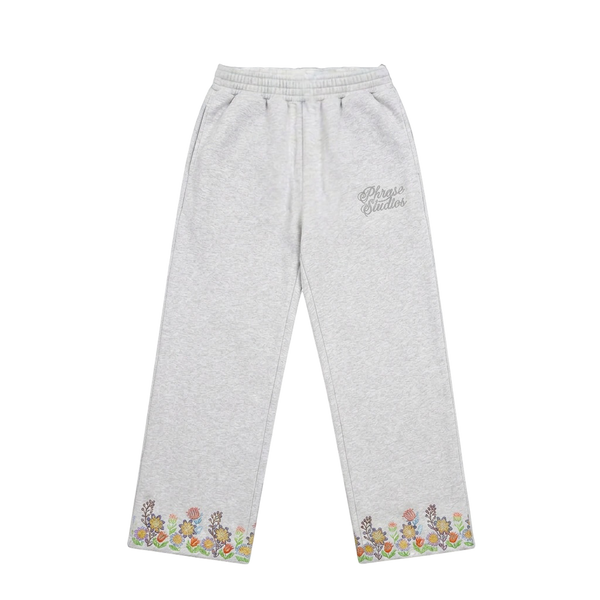
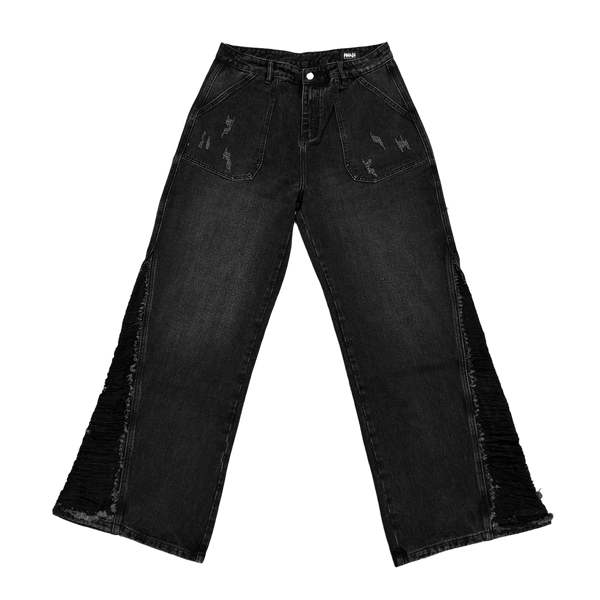
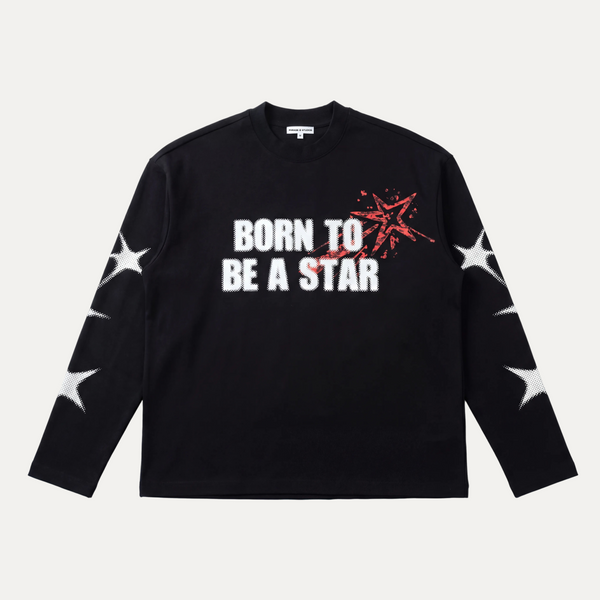
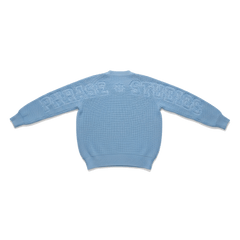
Phrase Studios was founded in 2023 and frames its lane as Lowlands streetwear, working from a simple line, 'From friends, to friends'. Rather than a rolling catalogue, it releases numbered chapters of small heavyweight-cotton runs that are not restocked, which ties each piece to a moment instead of a permanent range. The embroidered Floral Bloom tracksuit chapter gives a fair picture of the approach, the wider tracksuits and hoodies show the fabric weight, and it sits alongside the other names here on our European streetwear page. It is one honest option among many, not a replacement for anything above.
None of these brands are straight swaps for one another. A Supreme box logo, a Corteiz drop, a Kapital patchwork jacket and a small Ghent chapter run answer different wants, and the useful move is to pick by fabric, fit and how the brand actually sells rather than by noise. The most popular brand for you is usually the one whose rhythm and price you are happy to live with for a few years.
FAQ
What are the best streetwear brands in 2026?
There is no single best, because the honest answer changes with your budget and your taste. Supreme, Stussy, BAPE, Palace and Corteiz are among the most widely recognised names, Aimé Leon Dore, Norse Projects and Stone Island lead on cut and fabric, and independents like Patta, Nude Project and Phrase Studios win on identity and smaller runs. Pick by fabric, fit and release rhythm rather than by noise.
Which country has the best streetwear brands?
Every country on this list leads at something different. The United States and the United Kingdom drive most of the drop culture, Japan is still the reference for construction and detail, Italy and France sit closest to luxury, and the Lowlands, Scandinavia and Spain are where much of the interesting independent work is happening. There is no ranking that holds for everyone.
What do entry, mid, premium and luxury mean here?
They are rough bands rather than price figures. Entry means the brand is built around accessible everyday basics, mid covers most drop-led and graphic-led labels, premium means heavier fabrics and more finishing, and luxury means the brand is sold in the same room as designer ready-to-wear. Where a brand sits says more about its materials and distribution than about its quality.
Related guides
- The best European streetwear brands in 2026
- The best UK streetwear brands
- The best Japanese streetwear brands
- The best luxury streetwear brands
- The best affordable streetwear brands that are not fast fashion
- The streetwear gift guide: ideas they will actually wear
- The best tracksuit brands in 2026
- The best Korean streetwear brands
- The best LA streetwear brands