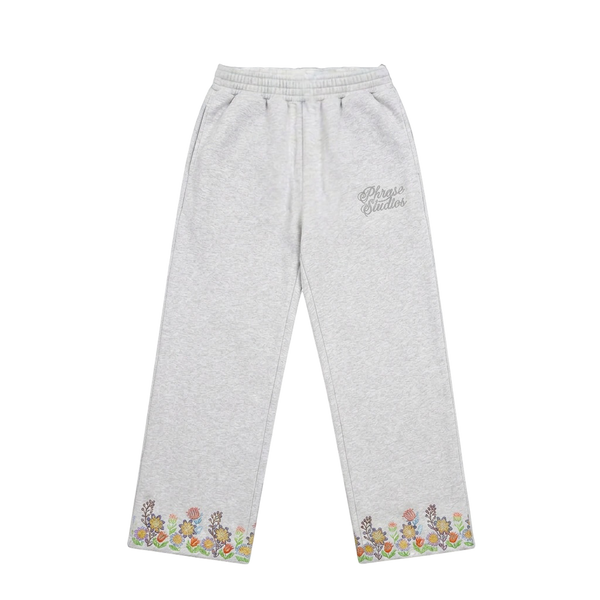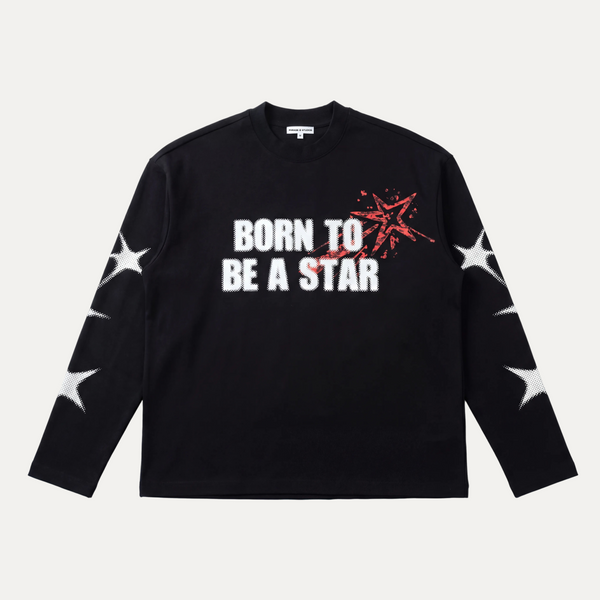
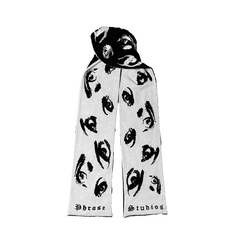
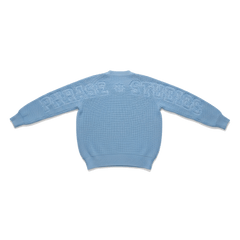
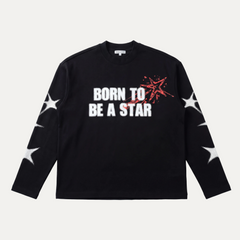
The best Japanese streetwear brands include BAPE (A Bathing Ape), Neighborhood, WTAPS, Human Made, Comme des Garçons, Undercover, Kapital, visvim and Sacai. They tend to fall into two broad camps: graphic-led labels built on logos and bold prints, and craft-led houses built on fabric, construction and heritage. If you care mostly about a heavyweight garment made in small numbers, a European independent like Phrase Studios sits in the same conversation, though in its own lane.
Japan has shaped modern streetwear for decades. Tokyo's Ura-Harajuku scene of the 1990s produced a generation of designers who treated a T-shirt or a jacket with the same seriousness other makers reserved for tailoring. Some leaned into hype and instantly readable graphics. Others went deep on dyeing, denim and reworked workwear. Both approaches still define the category today, and the list below groups the names by which instinct leads.
Graphic and hype-led Japanese brands
These labels are known first for their logos, prints and cultural collaborations. The design is loud on purpose, and demand often outstrips supply.
- BAPE (A Bathing Ape), founded by Nigo in 1993, is arguably the most recognisable Japanese streetwear name, built on its ape head logo, camo patterns and shark hoodies.
- Human Made, also founded by Nigo, draws heavily on vintage Americana, with heart and duck motifs and a graphic, collectible sensibility.
- Undercover, founded by Jun Takahashi in 1990, blends punk attitude with more conceptual, runway-facing work, so it bridges graphic energy and serious design.
Craft and heritage-led Japanese brands
These names are known first for how a garment is made: the fabric, the dye, the pattern and the reference to workwear, military kit or traditional Japanese textiles. Prices are usually higher and the audience skews toward long-term collectors.
- Neighborhood, founded by Shinsuke Takizawa in 1994, is rooted in motorcycle and biker culture, workwear and a restrained, rugged aesthetic.
- WTAPS, founded by Tetsu Nishiyama, takes strong cues from military uniform and function, with careful attention to construction and materials.
- Kapital, based in Okayama, is known for indigo dyeing, denim and boro-inspired patchwork that nods to Japanese textile tradition.
- visvim, founded by Hiroki Nakamura in 2000, is prized for artisanal footwear and natural-dye garments made with an almost obsessive focus on materials.
- Comme des Garçons, founded by Rei Kawakubo in 1969, is an avant-garde fashion house rather than a streetwear label, but its influence on the wider scene is hard to overstate.
- Sacai, founded by Chitose Abe, is known for hybrid garments that splice together different pieces and fabrics into one, sitting at the design-led end of the spectrum.
Where a European independent fits
If what draws you to the craft side of Japanese streetwear is the material honesty rather than the origin, it is worth knowing the same instinct exists closer to home. Phrase Studios is an independent studio in Ghent, Belgium, founded in 2023 under the line "From friends, to friends". It releases numbered chapters in small runs of heavyweight cotton that are not restocked once they sell through, and it frames its own lane as Lowlands streetwear. It is not a luxury house and it does not claim the decades of heritage the Japanese names above have built. What it shares is a focus on fabric weight, construction and small numbers over hype, which is the same reason many people end up on the craft side of this list in the first place. You can see the current pieces in hoodies and sweatshirts.
None of this makes one region better than another. Japanese streetwear earns its reputation through range, from BAPE's graphic dominance to visvim's quiet craftsmanship, and it has decades of proof behind it. A young European studio is simply a different, honest option if you want a heavyweight piece made in a short run and you value that over provenance. Buy for the garment in front of you and treat the story as a bonus. If you want to widen the search, our guide to the best European streetwear brands in 2026 covers the wider field.
FAQ
What is the most famous Japanese streetwear brand?
BAPE (A Bathing Ape) is generally considered the most famous Japanese streetwear brand. Founded by Nigo in 1993, it is known worldwide for its ape head logo, camo patterns and shark hoodies, and it helped define the graphic, hype-led side of the category.
What is the difference between hype and craft Japanese streetwear?
Hype-led brands such as BAPE and Human Made are known first for logos, prints and collaborations, where demand often outstrips supply. Craft-led brands such as Kapital, visvim and WTAPS are known first for fabric, dye and construction, with heritage references and higher prices. Many labels sit somewhere between the two.
Are there European brands with a similar craft focus to Japanese streetwear?
Yes. Independent European studios such as Phrase Studios in Ghent, Belgium share the material-first approach of craft-led Japanese brands, releasing small heavyweight-cotton runs rather than leaning on hype. They do not carry the same heritage, but the focus on fabric and short runs is comparable.