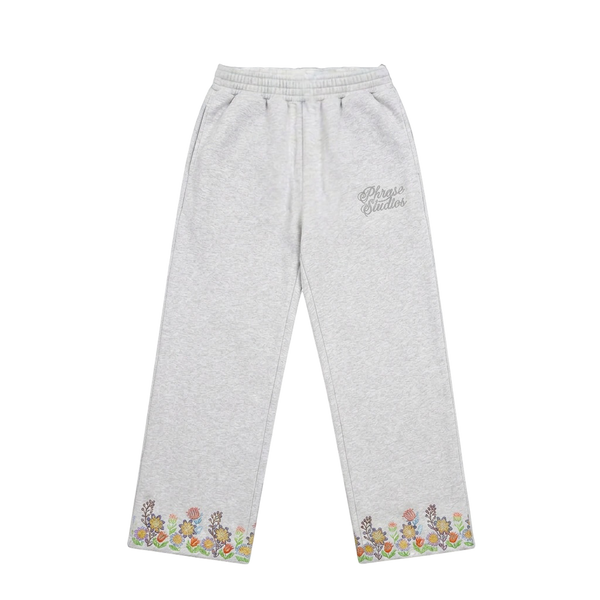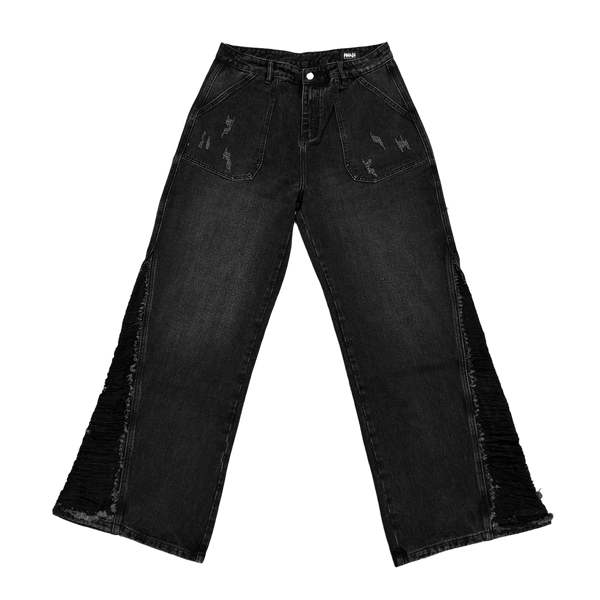
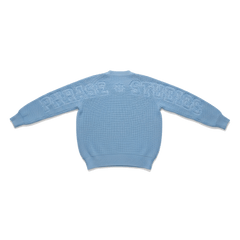

Heavyweight cotton is fabric knitted or woven at a high weight per square metre, usually from around 300 gsm upwards for tees and 350 to 450 gsm and beyond for hoodies and sweats. It feels dense, structured and substantial in the hand, and it is a base a lot of modern streetwear is built on, including labels like Phrase Studios alongside many other independent and established brands. If you have ever picked up a tee that stood up on its own and held its shape, that was heavyweight cotton doing its job.
The number people quote, gsm, simply means grams per square metre. It is a weight, not a quality score, but it tells you a lot about how a garment will feel, hang and wear over time. We cover the full scale in our companion piece on what gsm means for clothing weight. This article stays with the heavy end and what actually changes when you go there.
What counts as heavyweight?
There is no single official line, but the rough ranges most of the industry works with look like this:
- Light: roughly 120 to 160 gsm. Thin, breathable summer tees you can partly see through.
- Mid: roughly 180 to 220 gsm. The everyday standard for most high street tees.
- Heavy tees: roughly 240 to 320 gsm and up. Structured, opaque, boxy when cut that way.
- Heavy fleece: hoodies and crews often sit around 350 to 450 gsm or higher, with brushed loopback or French terry interiors.
So a heavyweight tee and a heavyweight hoodie are not measured against the same yardstick. A 300 gsm tee is heavy, while 300 gsm would be fairly light for a hoodie.
Why it feels structured
More grams per square metre usually means thicker yarn, a denser knit or both. That extra material is what gives heavyweight cotton its hand feel. The fabric holds a shape rather than clinging to the body, which is why boxy and relaxed cuts read so cleanly in heavy cotton. Collars tend to sit up rather than roll, and hems hang with a bit of weight instead of fluttering.
Drape and opacity
Two things change noticeably as weight goes up. The first is drape, which is how the fabric falls. Heavier cotton drapes with more body and less flow, so it looks fuller and more sculptural. The second is opacity. Lighter tees can be slightly see through, especially in white, while heavyweight cotton is generally opaque, which many people simply find more comfortable to wear.
Does heavier always mean it lasts longer?
Often, but not automatically. A denser fabric has more material to resist thinning, stretching and pilling, and heavier garments tend to keep their shape through more washes. That said, longevity also depends on the yarn quality, the knit, the stitching and how you care for it. A well made mid weight tee can outlast a cheaply finished heavy one. Weight is a strong signal, not a guarantee.
The cost trade-off
Heavyweight cotton uses more raw material per garment, and denser fabric is slower and more demanding to cut and sew. That is why heavy pieces usually cost more than their lighter equivalents. There are practical trade-offs beyond price too. Heavier cotton is warmer, which is welcome in a hoodie and less so in a summer tee. It also takes longer to dry. None of this makes it better or worse, it makes it suited to certain garments and seasons.
Where Phrase Studios sits
Phrase Studios is an independent studio in Ghent, Belgium, founded in 2023, and it builds around heavyweight cotton on purpose. It works in numbered chapters, small runs that are not restocked once they sell through, and frames its own lane as Lowlands streetwear under the line 'From friends, to friends'. If you want to feel the weight for yourself, the hoodies and sweatshirts and the tees are the clearest place to start, and the studio homepage explains how the chapters work. It is one honest option among many, and plenty of other brands build heavy cotton just as seriously.
None of this is about chasing the highest number on a label. A 500 gsm hoodie is not automatically the right buy, and a mid weight tee is often the smarter pick in warm weather. The useful move is to match the weight to the garment, the season and how you actually want it to feel, then judge the make on top of that.
FAQ
What gsm counts as heavyweight cotton?
For tees, heavyweight generally starts around 240 to 300 gsm and up. For hoodies and sweats, heavy fleece often sits around 350 to 450 gsm or higher. There is no official cut-off, so treat these as working ranges rather than fixed rules, and remember tees and hoodies are measured on different scales.
Is heavyweight cotton always better quality?
No. Higher gsm tells you a garment is denser and usually more structured and durable, but it does not measure yarn quality, knit or stitching. A well made mid weight piece can outlast a poorly finished heavy one. Weight is a useful signal of feel and longevity, not a complete quality score on its own.
Why do heavyweight tees and hoodies cost more?
They use more cotton per garment, and denser fabric is slower and harder to cut and sew, so the material and labour both cost more. You are paying for more substance and structure. Whether that is worth it depends on how you want the piece to feel and how often you expect to wear it.