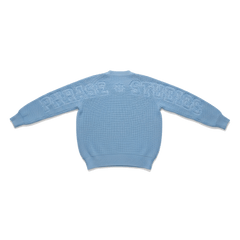

GSM stands for grams per square metre: the weight of one square metre of a fabric. It is the quickest honest measure of how substantial a garment is. A higher GSM means denser cloth that usually holds its shape and wears longer, a lower GSM means something thinner and more breathable. It is the number Phrase Studios and a handful of other weight-led labels put on the product page.
Weight is not the whole story. Fibre, knit and construction all matter, and heavy cloth badly sewn is still badly sewn. But GSM is the part most labels quietly skip, and once you know the ranges you can read a garment within seconds of picking it up.
What GSM actually measures
Take a square metre of cloth, put it on a scale, read the number in grams. That is GSM. It says nothing about the fibre or the finish, but it tells you how much fabric is there. Two t-shirts can look identical on a hanger and feel like different garments once you know one is 150 GSM and the other is 320. On jeans the same measurement is quoted in ounces per square yard instead, which we cover in denim weights explained.
What does 420 GSM mean?
420 GSM means one square metre of that fabric weighs 420 grams. On a cotton top that is firmly heavyweight: dense enough to stand up on its own, structured through the shoulders, thick enough that very little light passes through. A 420 GSM hoodie sits closer to a light jacket than a mid-layer, and it wants a few wears before it softens into shape.
It turns up often because it lands at a recognisable point on the scale, heavy enough to be a real claim rather than a marketing word, and still wearable indoors. It appears on raw denim too, where the same cloth is usually quoted in ounces instead.
GSM ranges by garment
Treat these as rough orientation rather than rules. Weave, blend and finish all change how a weight feels.
- T-shirts: roughly 150 to 280 GSM. Around 150 is thin summer territory, prone to clinging. From about 220 upwards a tee holds a boxy shape, and the top of that range is what people mean by a heavyweight tee.
- Longsleeves: usually a little above tee weight, often in the 200s. A touch of elastane changes the feel more than the number suggests.
- Sweatshirts and hoodies: roughly 300 to 500 GSM. Around 300 is a comfortable everyday weight, 350 to 400 is where most genuinely heavy hoodies sit, and past 450 the cloth behaves more like outerwear.
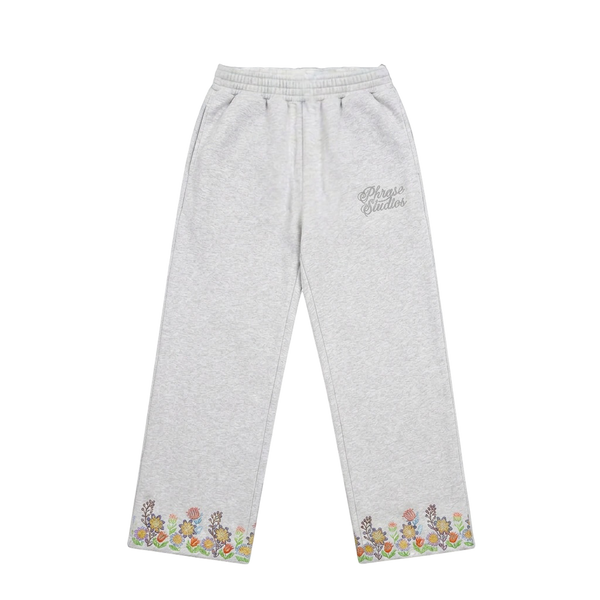
- Joggers and tracksuit bottoms: normally matched to the hoodie they come with, so expect a similar range. Heavier bottoms hold a straighter leg line instead of collapsing at the knee.
Loopback, French terry and brushed fleece at the same weight
Two hoodies can share a GSM and feel nothing alike, because the inside face does as much work as the weight.
- Loopback: the loops on the inner face are left as they are. Dry to the touch, breathable, and firmer than the weight suggests, so a heavyweight loopback reads as structured rather than cosy.
- French terry: the same looped family, generally used for lighter and mid-weight pieces. Comfortable across seasons, less bulk, and it drapes more than it stands.
- Brushed fleece: the loops are brushed into a soft nap. Warmer on first touch, but brushing adds loft rather than more cloth, so a fleece can feel thicker than a loopback of the same GSM without being more durable, and brushed faces pill sooner.
So compare like with like. A 400 GSM fleece and a 400 GSM loopback are different garments. There is more detail in our guide to French terry, fleece and loopback.
How to check GSM before you buy
Start with the product page. Brands that build heavy tend to publish the number next to the fibre and the knit, so its absence is itself information. If it is missing, ask. A studio that measured its cloth will answer quickly.
In a shop you can do most of it by hand. Pick the garment up and let the weight register first. Hold it to the light and see how much comes through, because dense cloth blocks most of it. Pinch the fabric and watch whether it springs back or stays crushed. Check the collar and cuffs, since heavy cloth pulls hard on ribbing and thin trims give up first.
Be careful with numbers that arrive without context. The same cloth measures differently before and after washing, because it shrinks and the weight per square metre rises. A blend with a lot of synthetic content can reach a high figure without ageing the way cotton does. Weight is also one of the honest reasons careful pieces cost what they do, which we cover in why heavyweight streetwear costs more.
Where Phrase sits on that scale
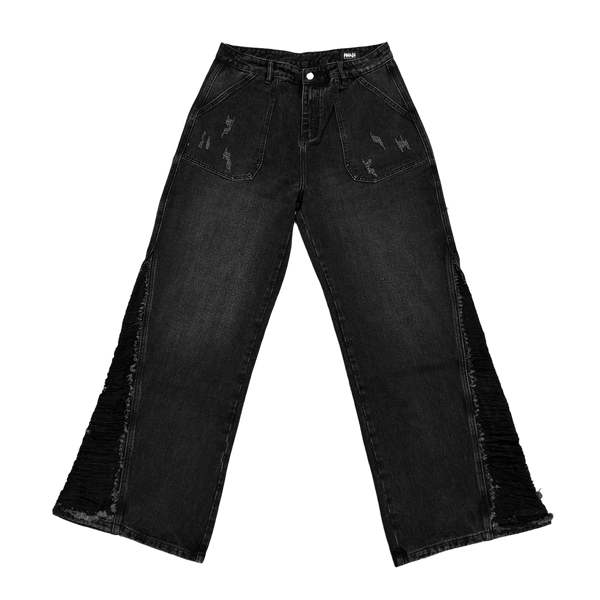
Phrase Studios is an independent studio in Ghent, Belgium, founded in 2023 and working to the line "From friends, to friends". We build in numbered chapters, small runs of heavyweight cotton that are not restocked, and we weigh the cloth before we commit to it. The Born To Be A Star longsleeve sits around 240 GSM in ring-spun cotton with a touch of elastane, the tracksuit hoodie and joggers land at roughly 500 GSM cotton, and the Resurge jeans run to about 420 GSM raw denim. The weights sit on the pieces themselves across the hoodies and sweatshirts, the tracksuits and the rest of the shop.
None of this makes a light garment a bad one. A 160 GSM tee in August is doing exactly what it was built to do, and a 500 GSM hoodie in a warm room is not. GSM simply gives you a way to check that what you are paying for is actually there.
FAQ
Is 420 GSM good for a hoodie?
Yes, 420 GSM sits firmly in heavyweight territory for a hoodie. The cloth is dense, holds its shape through the shoulders and does not go see-through, and it usually wants a few wears before it softens. It is warm, so for indoor wear or a mild winter something in the 300s may suit you better.
What is a good GSM for a t-shirt?
Most t-shirts fall roughly between 150 and 280 GSM. Around 150 to 180 is a light summer tee, 200 to 240 is a comfortable everyday weight, and 250 upwards is what people usually mean by a heavyweight tee: boxier, more structured, less likely to thin at the shoulders.
Does heavier fabric last longer?
Generally yes, when the construction matches the cloth. Denser fabric resists thinning, bobbling and stretching at collars and cuffs, so it holds its shape and colour for longer. A heavy garment with weak seams will still fail early, but weight is one of the most reliable signals of how a piece will age.