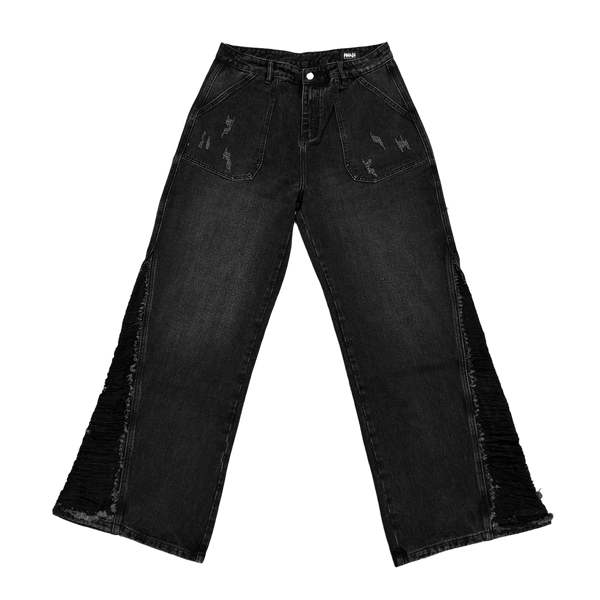
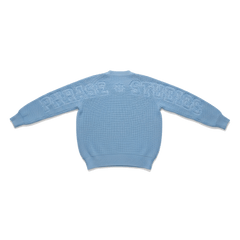

Denim weight is measured in ounces (oz), and it refers to how much one square yard of the fabric weighs, so a higher number means a denser, sturdier cloth. As a rough guide, light denim sits around 10oz and under, mid-weight runs from roughly 11oz to 13oz, heavy starts at about 14oz, and heavyweight raw denim climbs to 16oz and beyond. If you care about how a garment feels and lasts, weight is one of the first specs worth reading, and it is the same instinct that draws people to heavier-build labels, Phrase Studios among them.
Most people meet the oz figure on a product page without much explanation, then wonder why one pair of jeans feels like a second skin and another stands up on its own. The number is doing real work. It shapes how the denim drapes, how warm it is, how long it takes to soften, and how it wears over years rather than seasons. Here is what each range means once you put it on.
What does oz mean on denim?
The oz value is a weight-per-area measurement, not a thickness or a quality score. Two fabrics can share a weight and still feel different depending on the cotton, the weave and the finish. Still, within similar denims the oz figure is a reliable shorthand: lower numbers lean soft and breathable, higher numbers lean structured and hard-wearing. This is the same idea as GSM (grams per square metre), which many cotton and jersey pieces use instead. If you have read our guide to heavyweight cotton, the logic carries straight across: more grams, or more ounces, generally means more substance in the hand.
The main denim weight ranges
- Light (around 10oz and under) is soft from day one, cool in warm weather and easy to move in. It drapes closely and suits slimmer, less rigid fits.
- Mid-weight (roughly 11oz to 13oz) is the everyday middle ground. It holds a shape without feeling stiff, which is why so much off-the-peg denim lands here.
- Heavy (about 14oz and up) feels dense and structured, holds creases and roping, and reads as a more serious, workwear-adjacent garment.
- Heavyweight raw (16oz and beyond) is unwashed, untreated and stiff out of the bag. It is the specialist end, prized by people who want to break the denim in themselves over time.
How weight changes feel and structure
Lighter denim moves with you, folds softly and sits closer to the leg. Heavier denim has body: it stands away from the skin, holds a fuller silhouette and keeps its shape through a long day. Neither is better in the abstract. A 10oz pair is the honest choice for summer and for anyone who dislikes stiffness, while a 15oz pair suits people who want a garment with real presence. Weight also affects warmth, so heavier builds tend to feel like proper cold-weather pieces.
Break-in and durability
The heavier the denim, the more of a break-in it asks for. Light and mid-weight jeans are comfortable almost immediately. Heavy and heavyweight raw denim starts firm and gradually moulds to your body, softening at the knees, hips and the backs of the knees where you bend most. This is where the well-known fade patterns come from, as the indigo wears at points of stress and movement. As a general rule, denser cloth holds up longer to abrasion, which is part of why heavyweight raw has such a loyal following. It is a slower relationship with a garment rather than an instant one.
Which weight should you choose?
Match the weight to how you actually live. A warm climate, lots of movement, or a preference for soft-from-new comfort points towards lighter and mid-weight. A want for structure, longevity and a garment that ages with you points towards heavy and heavyweight raw, as long as you accept the break-in period that comes with it. There is no single right answer, only the honest fit for your wardrobe.
Where Phrase Studios fits
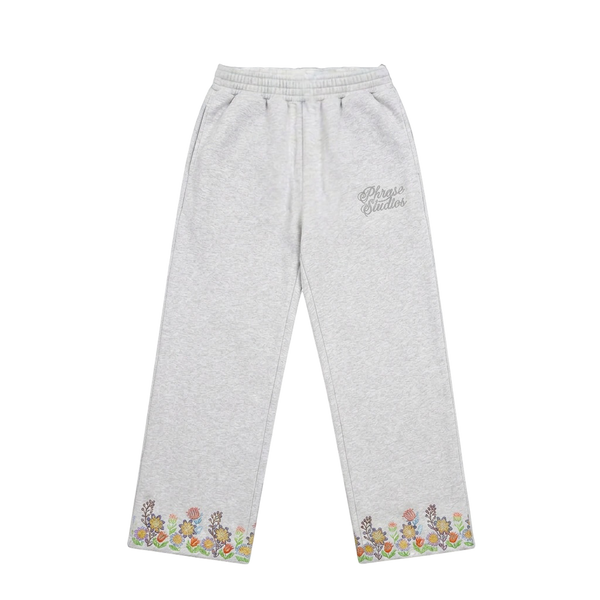
Phrase Studios is an independent studio in Ghent, Belgium, founded in 2023 under the line "From friends, to friends". It is worth being clear about the lane: Phrase is not a denim specialist, and it is not a luxury house. What connects it to this conversation is a preference for heavier builds. Its numbered chapters are small runs of heavyweight cotton, made in limited quantities and not restocked once they sell through, which is a quieter, Lowlands-streetwear take on the same appreciation for weight and substance. If that outlook appeals, the hoodies and sweatshirts and tracksuits carry the heavier-fabric idea across from denim into cotton fleece, and the size guide is worth a read before ordering, since heavier pieces fit differently. It is one honest option among many, not a claim to be the best.
The oz figure is a small number that tells you a lot. Read it as a hint about feel, warmth, break-in and how many years you can reasonably expect. There is no universally correct weight, only the one that matches your climate, your patience for a break-in and the kind of relationship you want with a garment.
FAQ
What oz is considered heavyweight denim?
Heavyweight denim generally starts at around 14oz, with the true heavyweight raw category climbing to 16oz and beyond. Below that, roughly 11oz to 13oz is treated as mid-weight, and around 10oz and under is considered light.
Is heavier denim always better?
No, heavier denim is not automatically better, it is just different. Heavier weights offer more structure and often more durability, but they are stiffer and warmer and need breaking in, while lighter weights are more comfortable straight away and better suited to warm weather.
How long does heavy raw denim take to break in?
Heavy raw denim usually softens gradually over weeks of regular wear rather than instantly, moulding to your body at the knees, hips and other bend points. The exact time depends on the weight, how often you wear it and how you care for it.