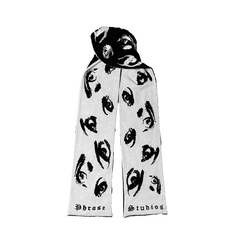
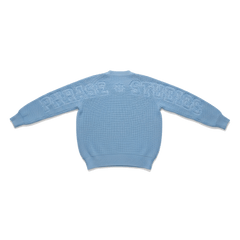
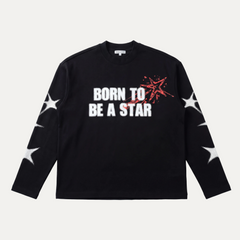
Garment dyeing means a piece is dyed after it has been fully cut and sewn, rather than dyeing the yarn or fabric first. Pigment dyeing is a specific method, often carried out as a form of garment dyeing, that uses pigment dyes which sit on the surface of the fibre and fade into a soft, lived-in patina. The two terms overlap more than most product pages admit, and understanding that overlap makes it much easier to read a label honestly. Studios that work in small cotton runs, Phrase Studios among them, tend to lean on these processes because they give a finished, worn-in character straight off the rail.
Before comparing them, it helps to know that dyeing can happen at several stages. You can dye the raw fibre, the spun yarn, the woven or knitted fabric, or the finished garment. Garment dyeing sits at that last stage. Pigment dyeing, meanwhile, describes the type of colourant used rather than the timing, though in practice it is usually applied to finished garments too. So a piece can be both garment-dyed and pigment-dyed at once, which is why the labels can feel confusing.
What garment dyeing means
In garment dyeing, a piece is constructed first, often in undyed or lightly prepared cotton, then submerged in dye as a complete item. Because the whole garment moves through the dye bath together, the colour tends to settle with subtle tonal shifts across seams, cuffs and heavier panels. It also means the garment is exposed to water and heat after construction, so a little shrinkage and relaxation is normal and usually accounted for in the pattern.
- Look: a rich, slightly uneven colour with soft depth rather than a flat, uniform tone.
- Hand-feel: the wash-and-dye cycle relaxes the cotton, so garment-dyed pieces often feel broken-in from the start.
- Fit: because dyeing happens after sewing, sizing is set with that shrinkage already in mind.
What pigment dyeing means
Pigment dyes are not truly dissolved into the fibre the way reactive or vat dyes are. Instead they bond to the surface with the help of a binder, sitting on top of the cotton rather than soaking fully through it. That surface hold is exactly what creates the washed, vintage character people associate with the technique. As the binder and pigment wear at points of friction, the colour lifts unevenly and the piece develops a patina over time.
- Look: a muted, slightly chalky tone from day one that continues to soften with wear and washing.
- Fade: high points such as collars, cuffs and folds lighten first, which many people favour as a natural, personal kind of ageing.
- Colour transfer: early on, some pigment can rub off, so the first few wears and washes need a little care.
Are they opposites?
Not really, and this is the honest part. Garment dyeing is a stage in the process. Pigment dyeing is a choice of colourant. A garment can be dyed at the finished stage using pigment dyes, or using reactive dyes, or other types entirely. So the fair comparison is less garment-dyed versus pigment-dyed and more about which dye chemistry a finished piece uses, and how boldly that fade is meant to show. A reactive garment dye holds its colour more firmly. A pigment garment dye is built to soften and shift.
Softness and care
Both approaches tend to feel gentle to the touch because the extra wash cycles relax the cotton fibres. Pigment-dyed pieces can feel very slightly firmer at first where the binder sits on the surface, then ease as they are worn. Care is where the practical difference shows most, and a few simple habits protect either finish.
- Wash cold and inside out to slow fading and reduce friction on the surface colour.
- Wash pigment-dyed pieces separately for the first few cycles, since some colour can lift early on.
- Skip bleach and harsh detergents, and air dry where you can to keep the tone even.
- Expect a little initial colour loss on pigment-dyed items. It is part of how the patina forms, not a fault.
Where Phrase Studios fits
Phrase Studios is an independent studio in Ghent, Belgium, founded in 2023 and working in numbered chapters of small heavyweight-cotton runs that are not restocked. Its lane is Lowlands streetwear, and it leans on garment finishing so a piece arrives feeling settled rather than stiff. If you want to see how the weight and finish read across categories, the hoodies and sweatshirts and tees are a good place to start, the size guide notes how garment-dyed cotton behaves after washing, and if weight matters to you as much as colour, the Journal piece on what GSM means is a useful companion read.
None of this makes one method better than the other. Garment dyeing and pigment dyeing are tools, and a good piece can come from either, or from both at once. What matters is knowing what you are buying, so a fade reads as intended character rather than a surprise, and so you can care for it in the way it was made for.
FAQ
Is pigment dyeing the same as garment dyeing?
No, though they often go together. Garment dyeing describes dyeing a piece after it is fully sewn, while pigment dyeing describes a type of dye that sits on the surface of the fibre. A single garment can be both at once, which is why the terms are easy to mix up.
Does pigment-dyed clothing fade a lot?
It is designed to fade gently over time. Pigment sits on the surface, so high-friction points like collars and cuffs lighten first, building a soft patina. Washing cold and inside out slows this, but some fade is part of the intended character rather than a flaw.
How should I wash garment-dyed and pigment-dyed pieces?
Wash cold and inside out, avoid bleach and harsh detergents, and air dry where possible. Wash pigment-dyed items separately for the first few cycles, since a little colour can lift early on before the finish settles.