The best luxury streetwear brands include Rhude, Amiri, Gallery Dept, Fear of God, Palm Angels, Off-White, A-Cold-Wall* and Chrome Hearts. These are the labels that took the language of streetwear, the hoodie, the tee, the tracksuit, the graphic, and rebuilt it at a designer price point. Below is our top 10, then the same names grouped by tier so you can see where each one actually sits. All of them are a long way from a small studio like ours, and we will be honest about that too.
Luxury streetwear is a specific thing, not simply expensive streetwear. It usually means a brand that draws on skate, hip-hop and casual culture for its shapes, then applies the fabrication, positioning and pricing of a fashion house. The garments look familiar. The construction, the volumes and the shop they hang in do not. That trade makes sense for some people and not for others, so it helps to know what you are paying for before you commit.
Top 10 luxury streetwear brands
This is our list rather than an industry ranking, and the order is not a scoreboard. We have picked ten labels that are properly established at the designer end of streetwear and that each stand for something you cannot get from the others.
- Rhude: founded by Rhuigi Villaseñor in Los Angeles, blending American nostalgia, motorsport references and tailoring with a graphic-tee sensibility. If it is your entry point, our guide to brands like Rhude covers the nearest alternatives.
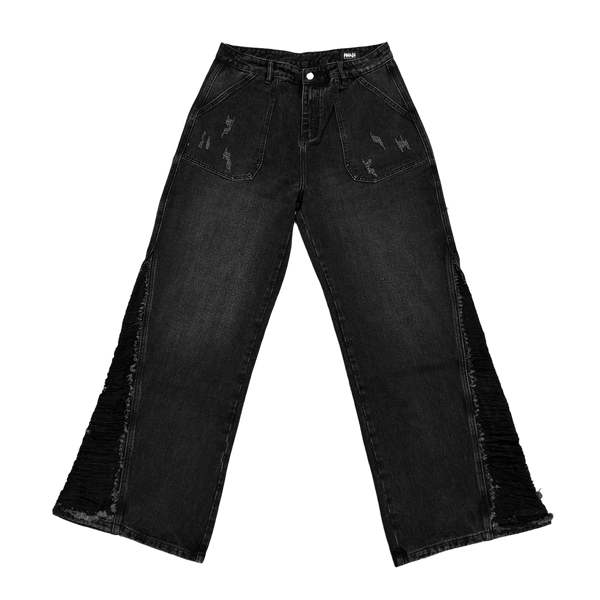
- Amiri: founded by Mike Amiri, also in Los Angeles, and best known for distressed denim and rock-influenced tailoring. See brands like Amiri if you want that look from labels that are easier to get hold of.
- Gallery Dept: Josué Thomas's Los Angeles label, built on hand-worked, reworked-vintage pieces where the painted and distressed finish is the whole point. Brands like Gallery Dept goes deeper on that lane.
- Fear of God: Jerry Lorenzo's label, built around elevated basics, a muted palette and considered proportions. The main line sits firmly in luxury, and the Essentials range is its more accessible sibling.
- Palm Angels: started by Francesco Ragazzi as a photography project on Californian skate culture and now an Italian-based luxury label, with track jackets among the most recognisable pieces in the category. More on the alternatives in brands like Palm Angels.
- Off-White: founded by the late Virgil Abloh and based in Milan, the label most often credited with moving streetwear shapes onto luxury shop floors.
- A-Cold-Wall*: Samuel Ross's British label, industrial and conceptual, drawing on construction, raw materials and British class culture. It reads as design-led menswear as much as streetwear.
- Chrome Hearts: the Los Angeles house co-founded by Richard Stark, known for sterling silver hardware, leather and heavy gothic graphics. It sits at the top end of this category and has done for a long time.
- Denim Tears: Tremaine Emory's label, where the cotton wreath motif carries a clear argument about American history rather than working as a logo.
- Represent: the British label founded by brothers George and Michael Heaton, a step below the designer houses on positioning but well above the high street on fabric and finish.
By price tier
Luxury streetwear covers a wide spread, and two brands filed under the same heading can feel very different at the till. We find three tiers more useful than one label. We are not putting figures on them, because they move by piece and by season, but the ordering holds.
- Premium: Represent and Fear of God Essentials sit here. Better fabric, better finishing and a real point of view, without fashion-house positioning. This is where most people first step up from the high street.
- Luxury: Rhude, Palm Angels, Off-White, A-Cold-Wall*, Denim Tears and the Fear of God main line. Fashion-week presence, designer retail, lower volumes, and pricing that follows all three.
- Top luxury: Amiri, Gallery Dept and Chrome Hearts. Hand-finishing, heavy hardware or one-off treatments, sold in the same rooms as long-established fashion houses. If you want to see how far that ceiling goes, we have a separate piece on the most expensive streetwear brands.
The tiers are not a strict quality ladder. A premium brand can make a better hoodie than a luxury one. What changes as you move up is how much of the price is going to design, hand-work, scarcity and the name above the door, rather than to the cloth itself.
What makes a streetwear brand luxury
Three things tend to separate a luxury label from a good high-street one. The first is positioning: these brands sell through the same channels as established fashion houses, show at or around fashion week, and price accordingly. The second is fabrication and construction, often heavier cottons, Italian or Japanese fabrics, hand-finishing and lower production volumes. The third is story and scarcity, a recognisable founder, a clear point of view, and pieces that are deliberately not made in huge numbers. Not every brand does all three equally well, but the ones that last are strong on more than one.
Where luxury streetwear comes from
Los Angeles is the centre of gravity. Rhude, Amiri, Gallery Dept, Fear of God and Chrome Hearts are all based there, and the city's mix of skate, music and film explains a good deal about the aesthetic. Italy is the second pole, where Palm Angels and Off-White pair streetwear shapes with a manufacturing base that has been making luxury clothing for generations. London supplies the more conceptual end through A-Cold-Wall*, and a strong premium tier through labels like Represent. For the wider map rather than the luxury slice of it, our guide to the most popular streetwear brands in 2026 covers the field by country and by price.
Where Phrase Studios sits
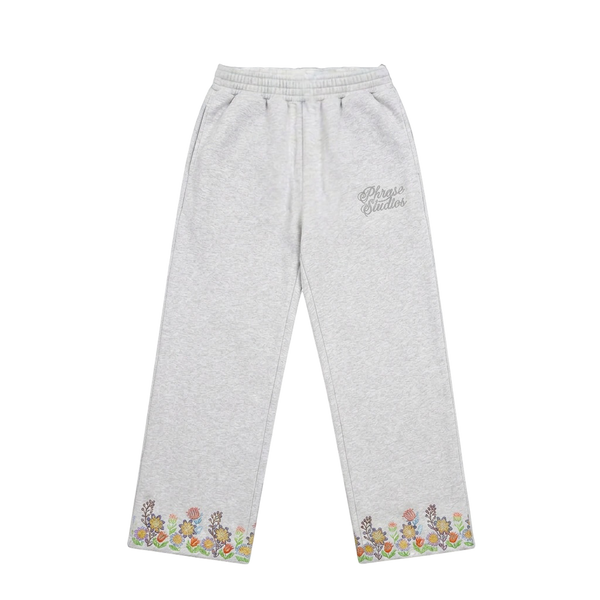
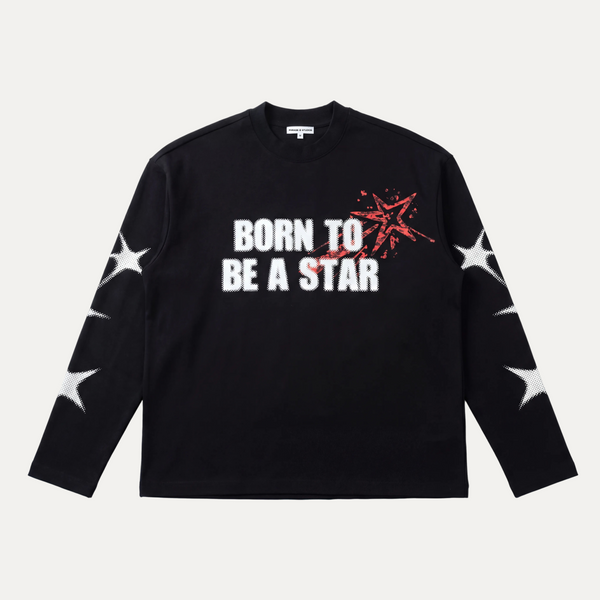
We will be straight with you: Phrase Studios is not a luxury house, and we do not pretend to be one. We are an independent studio in Ghent, Belgium, founded in 2023, working under the line "From friends, to friends" in a lane we call Lowlands streetwear. What we share with the brands above is a focus on how a garment actually feels in the hand. Our pieces are made from heavyweight cotton in small numbered chapters that we do not restock, so a run sells through and then it is gone. What we do not share is the luxury markup. You are paying for the cloth and the making, not for a runway show or a fashion-week calendar. If you want that heavier hand-feel without the designer positioning, our hoodies and sweatshirts and tracksuits are a fair place to start.
So the honest summary is this. If you want luxury streetwear in the full sense, fabrication and fashion-house positioning together, the ten above are the ones to look at and they earn their place. If your real interest is weight, quality and a garment that keeps its shape after a year, you can find that much further down the tiers, from smaller independents including us. Those are two different purchases, and none of these are straight swaps for each other, so it is worth being clear about which one you are actually making.
FAQ
What are the top 10 luxury streetwear brands?
Our ten are Rhude, Amiri, Gallery Dept, Fear of God, Palm Angels, Off-White, A-Cold-Wall*, Chrome Hearts, Denim Tears and Represent. That is our list rather than an industry ranking, and the order is not a scoreboard. Each one is properly established at the designer end of streetwear and stands for something distinct, from Amiri's distressed denim to the industrial tailoring at A-Cold-Wall*.
What is the difference between premium and luxury streetwear?
Premium streetwear gives you better fabric, better finishing and a clear point of view without fashion-house positioning, and it is where most people first step up from the high street. Luxury streetwear adds fashion-week presence, designer retail and much lower production volumes, and what you pay reflects that as much as it reflects the garment.
Is luxury streetwear worth the price?
It depends on what you value. You are paying for fabrication, low production volumes, a strong point of view and fashion-house positioning, and for some people that is genuinely worth it. If your priority is fabric weight and durability rather than a designer name, you can find much of that from smaller independent labels for a lot less.