The most expensive streetwear brands are generally taken to be Chrome Hearts, Enfants Riches Déprimés, Gallery Dept, Amiri, Off-White, Rhude, Palm Angels, the Fear of God mainline and Vetements, with luxury houses such as Balenciaga, Louis Vuitton and Dior sitting above them again when they borrow streetwear shapes. Below is who each one is, and then the more useful question: what you are paying for at the top of this market.
We will not put figures on any of this. Prices move by piece, by season and by resale, so a number written down today is wrong within a year. What does not move is the reason a label sits where it sits. We are a small studio at the other end of the scale, and we will say plainly where we fit.
The top price tier
These labels sit at the expensive end of streetwear rather than the premium end. They are not interchangeable, and each is costly for a different reason.
- Chrome Hearts: the Los Angeles house co-founded by Richard Stark, built on sterling silver hardware, heavy leather and gothic graphics, so much of what you pay for is metalwork and hand assembly rather than cloth.
- Enfants Riches Déprimés: Henri Alexander Levy's label, based between Los Angeles and Paris, punk-referencing and deliberately difficult, with hand-worked pieces made in very small numbers.
- Gallery Dept: Josué Thomas's label, where garments are reworked, painted and distressed by hand so no two are identical. The labour is the product. Our guide to brands like Gallery Dept covers the nearer alternatives.
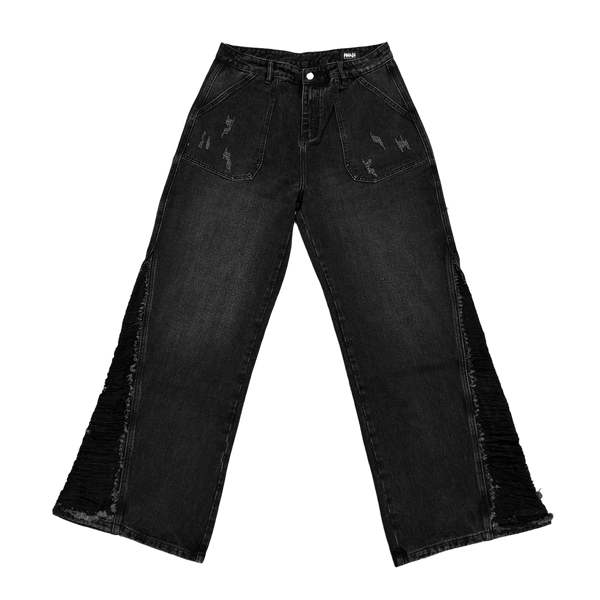
- Amiri: Mike Amiri's Los Angeles label, known for heavily worked denim and rock-influenced tailoring, with treatments that are slow and hard to automate.
- Off-White: founded by the late Virgil Abloh and based in Milan, the label that did more than any other to move streetwear shapes into luxury retail, and that prices accordingly.
- Rhude: Rhuigi Villaseñor's Los Angeles label, mixing American nostalgia, motorsport references and tailoring, kept in this tier by small runs and designer distribution.
- Palm Angels: started by Francesco Ragazzi as a photography project on Californian skate culture and now an Italian luxury label, with track jackets among its most recognisable pieces.
- Fear of God: Jerry Lorenzo's mainline, built on elevated basics and considered proportions in good cloth. Essentials is a separate, more accessible line, and the two are often confused.
- Vetements: the Paris-founded label that made deconstructed, exaggerated shapes a luxury proposition, and charged luxury money for garments shaped like workwear and merch.
For the wider designer field rather than only its ceiling, our roundup of the best luxury streetwear brands covers it by tier.
The adjacent tier: luxury houses doing streetwear
Strictly these are not streetwear brands, but they are often the answer people want, because a hoodie from any of them will out-price everything above.
- Balenciaga: the house that pushed oversized hoodies, logo tees and chunky trainers furthest into luxury, and drew the most comment for it.
- Louis Vuitton: its menswear has drawn directly on streetwear since Virgil Abloh's tenure, with leather goods and monogram work carrying the house price.
- Dior: its menswear has worked repeatedly with streetwear and sneaker culture, applying couture-level finishing to casual shapes.
You are buying into a house and its history as much as into a garment, which is a different purchase.
What actually drives the price
Six things do most of the work, and few brands are expensive for only one.
- Scarcity: small runs, short windows and deliberate under-supply, which costs the brand efficiency and raises what people pay.
- Brand: the name, the story and the founder. Real value to many buyers, and the part of the price with no material cost behind it.
- Craft: hand-painting, hand-distressing, silversmithing, complex denim treatments. Slow human work is the most honest reason for a high price.
- Materials: heavy cottons, Italian or Japanese cloth, real leather, solid hardware. Material cost matters, though it explains less of the final figure than people assume.
- Licensing and collaboration: partner names, artist royalties and co-branded projects all get paid for somewhere, usually at the till.
- Retail: flagship stores, wholesale margins, campaigns and shows. A garment sold through luxury retail carries the cost of that room whether or not you shop in it.
The point is not that expensive brands are dishonest. It is that the drivers are separable: a piece costly because of hand-finishing and one costly because of positioning can carry the same figure and give you very different things. We go further into the fabric side in why heavyweight streetwear costs more.
Where the value sits, and where Phrase Studios fits
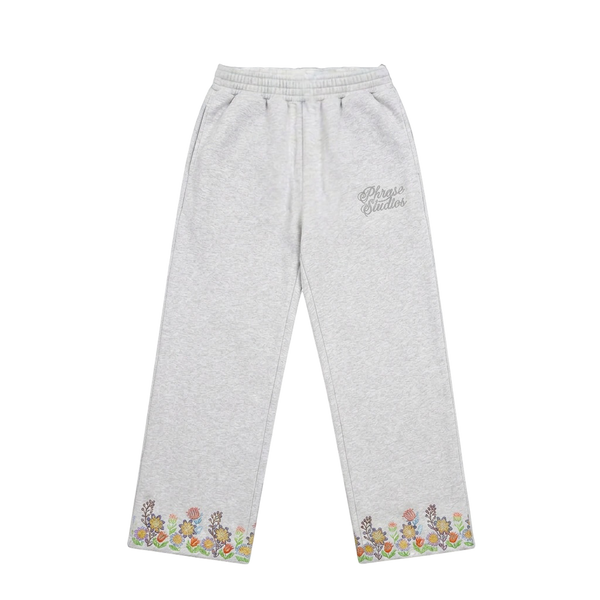
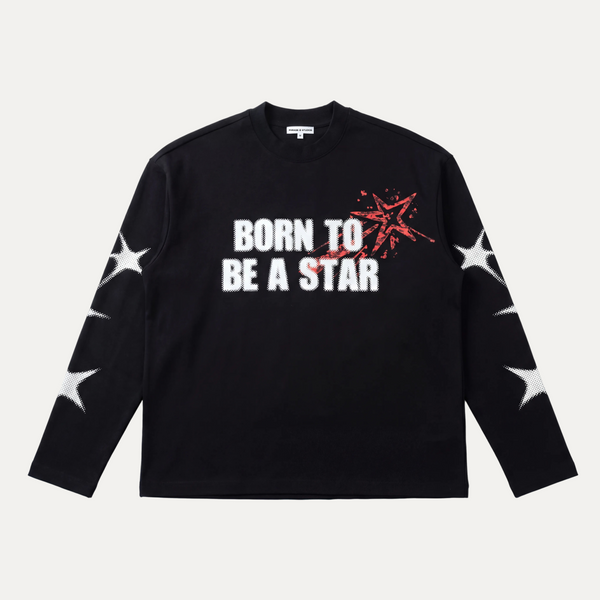
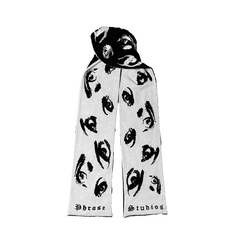
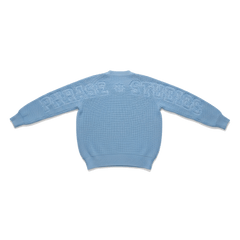
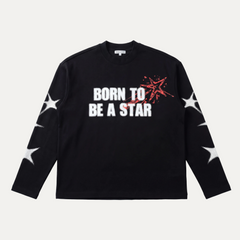
Phrase Studios is nowhere near this list and is not trying to be. We are an independent studio in Ghent, Belgium, founded in 2023, working under the line "From friends, to friends" in a lane we call Lowlands streetwear. We work in numbered chapters of heavyweight cotton, made in small runs we do not restock, so a chapter sells through and then it is finished. That gives you two of the six drivers above, scarcity and material weight. It does not give you a flagship store, a fashion week slot or a founder whose name carries resale value, and we do not charge for those. If the heavier hand-feel is what you are after rather than the designer name, our hoodies and sweatshirts and tracksuits are a reasonable place to start.
None of these are straight swaps for each other. If you want a Chrome Hearts ring or a Gallery Dept jacket, nothing cheaper will stand in for it. If what you want is a hoodie that keeps its shape and its colour after a year of real wear, that is available a long way down from the top tier, from smaller independents including us. Work out which of the six drivers you care about, and the decision tends to make itself.
FAQ
What is the most expensive streetwear brand?
Chrome Hearts is the name that comes up most consistently, because its pieces are built around sterling silver hardware and heavy leather with a great deal of hand assembly, and the brand has never chased volume. Enfants Riches Déprimés and Gallery Dept sit in the same conversation, both built on hand-finished work in very small numbers.
Why is streetwear so expensive?
Six things drive it: scarcity, brand name, hand craft, materials, licensing and collaborations, and the cost of luxury retail. Most expensive labels combine several of them. Only craft and materials end up in the garment itself, which is why two pieces at the same price can differ so much.
Is expensive streetwear better quality?
Not automatically. Price at the top of streetwear reflects positioning, scarcity and hand-work as much as cloth, so a mid-priced piece from a smaller label can be heavier and better made than a designer one. If durability is your priority, look at fabric weight, seam construction and finishing rather than the name.