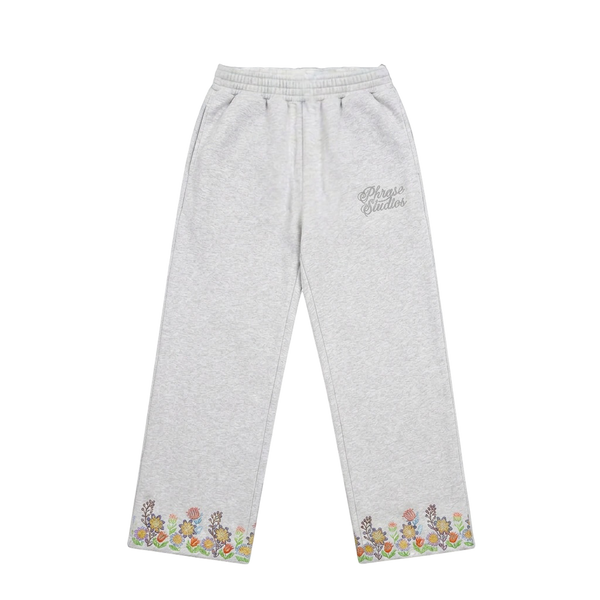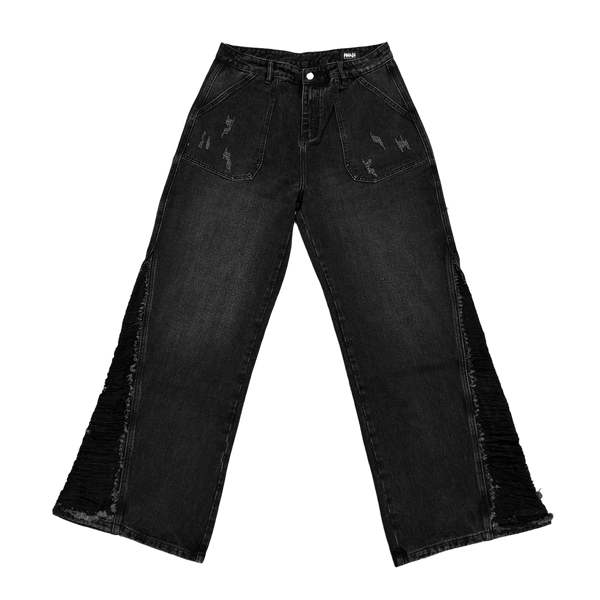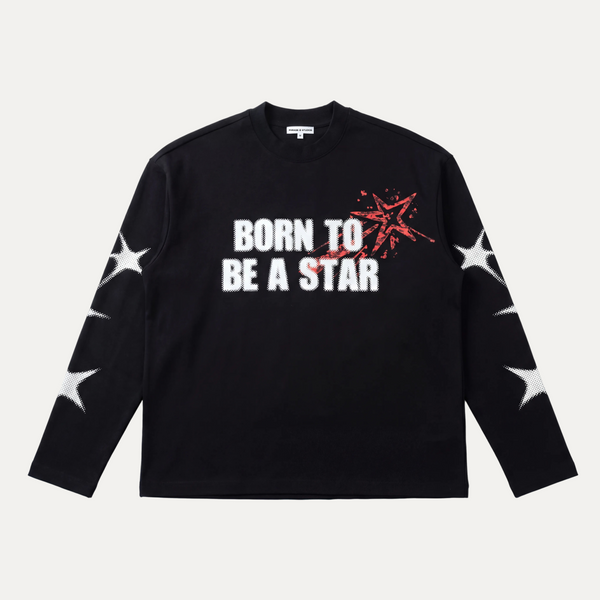
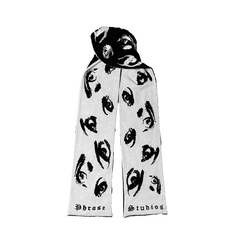
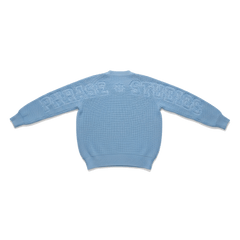
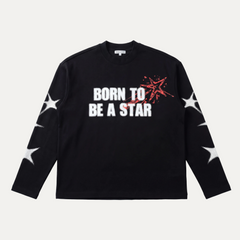
The best sustainable streetwear brands right now include Story MFG, Kotn, Colorful Standard, Organic Basics and Pangaia, each of which treats material sourcing and longevity as part of the design rather than a marketing afterthought. If you are shopping for streetwear specifically, our own Phrase Studios belongs in the same conversation for a narrower reason: we produce small runs, we do not overproduce, and we do not restock, so the numbers stay honest even without a shelf full of certifications.
Sustainability in fashion is a spectrum, not a badge. Some of these labels lean on certified organic cotton and published supply chains, others on recycled or bio-based materials, and a few simply on making garments heavy enough to survive years of wear. It helps to know what you are actually paying for before you decide which trade-off suits you.
What to actually look for
Marketing language is cheap, so it is worth checking a few concrete things before you trust a "sustainable" label. The signals below are the ones that tend to hold up.
- Materials you can verify. Organic, recycled or responsibly sourced fibres named specifically, ideally with a third-party certification you can look up, beat vague words like "eco" or "conscious".
- Transparency. Brands that publish where and how things are made are easier to trust than brands that only talk about outcomes.
- Made to last. A heavier, better-constructed garment worn for years is more sustainable than a thin one replaced every season. Fabric weight and finishing matter here. Our guide to heavyweight cotton explains why.
- Small runs and no overproduction. Making roughly what will sell, rather than deep-discounting unsold stock later, is one of the least glamorous but most real levers a brand has.
Watch out for greenwashing
The most common trick is a single "sustainable" capsule sitting inside an otherwise high-volume operation, described in language designed to colour the whole brand. Undefined terms, missing certifications, and claims about materials with no mention of volume or waste are all worth a second look. A brand that is genuinely trying will usually tell you what it has not solved yet, not just what it has.
Sustainable-leaning brands worth knowing
None of these is perfect, and they sit in different lanes and price brackets, but each has a credible story rather than a slogan.
- Story MFG. A British label built around natural dyes, organic materials and hand-finished construction, closer to craft clothing than mass streetwear.
- Kotn. A Canadian brand focused on traceable cotton and a published approach to its supply chain, best known for elevated basics.
- Colorful Standard. Danish essentials in organic cotton, made in Portugal, with a wide colour range and a deliberately plain, long-lived design.
- Organic Basics. A Danish label centred on organic and recycled materials across underwear and everyday layers, with a transparency-first tone.
- Pangaia. A materials-science brand that treats fabric innovation, including bio-based and recycled fibres, as its core product story.
Where Phrase Studios fits
Phrase Studios is an independent studio in Ghent, Belgium, founded in 2023 under the line "From friends, to friends". We frame our work as Lowlands streetwear, and we will be honest about the limits: we are not a luxury house and we do not hold the material certifications that a brand like Pangaia builds its whole identity around. What we do control is volume. Each release is a numbered chapter, a small run of heavyweight cotton that we do not restock, which means we are not producing to fill a warehouse or discounting overproduction later. If a piece is gone, it is gone.
That approach shows up in the clothes. Our hoodies and sweatshirts and tracksuits are built in heavier cotton so they hold shape and outlast a season, which is our version of made-to-last. It is one honest option among the brands above, not a clearly superior one, and it earns its place mainly through restraint rather than a longer certification list.
The most sustainable garment is still the one you keep wearing. Whether you choose a materials-led brand like Pangaia, a transparency-led one like Kotn, or a small-batch studio like ours, the questions are the same: is it made well, will you wear it for years, and does the brand tell you the truth about how it is made. Buy less, buy heavier, and the rest tends to follow.
FAQ
What makes a streetwear brand actually sustainable?
Verifiable materials, supply-chain transparency, and garments made to last are the core signals. Certified organic or recycled fibres you can look up, published information about where and how things are made, and construction heavy enough to survive years of wear matter more than words like "eco" or "conscious". Small production runs that avoid overproduction and later discounting are a strong sign too.
How do I spot greenwashing?
Look for vague claims with no evidence behind them. A "sustainable" capsule inside an otherwise high-volume brand, undefined terms, missing certifications, and material claims that never mention volume or waste are all warning signs. Brands making a genuine effort usually name specifics and admit what they have not solved yet, rather than colouring the whole label with a single slogan.
Is Phrase Studios a sustainable brand?
Phrase Studios leans sustainable through its model rather than through certifications. It is an independent Ghent studio that makes small, numbered runs of heavyweight cotton and does not restock or overproduce, so there is no unsold stock to discount. It does not hold the material certifications that some specialist brands build their identity on, and it is honest about that.