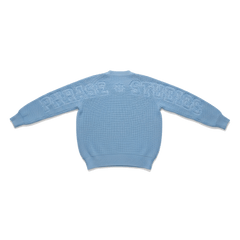

To shrink a hoodie on purpose, wash it in hot water and then dry it on high heat: the combination of heat, moisture and agitation is what makes cotton fibres contract. This works best on 100% cotton hoodies and is far less predictable on cotton blends. It is a genuine option offered by most cotton garments, whether they come from a high-street label, a heritage sportswear name or a small studio like Phrase Studios, and it costs nothing but a wash cycle. The honest catch is that you get one reliable go at it, the result is hard to control to the millimetre, and prints and trims do not always survive.
Most cotton is knitted under tension at the mill, so it holds a small amount of "relaxation shrinkage" that heat releases. That is why a hoodie can come back a little smaller after its first hot wash even when you did not plan it. Doing it deliberately just means leaning into that process rather than avoiding it. Before you start, it helps to know how much movement to expect and where things can go wrong, so you are not gambling with a piece you actually like.
Why heat shrinks cotton
Cotton fibres are stretched and set during spinning and knitting. When they meet hot water and tumble-dryer heat, they relax back towards their natural, shorter state. Heat does most of the work, agitation speeds it along, and the effect is largely one-directional: once fibres have contracted, a hot wash will not meaningfully expand them again. You can stretch a garment back out by hand while damp, but you cannot truly "un-shrink" it.
How to shrink a hoodie step by step
The method is simple, but the order matters. Take it in stages so you can stop once you reach the fit you want.
- Check the fibre content. A 100% cotton hoodie shrinks most predictably. Blends with polyester or elastane resist shrinking, because synthetic fibres do not contract the same way.
- Wash hot. Run the hoodie through the hottest wash the fabric can tolerate, often 60°C. Turn it inside out first to protect any print.
- Dry hot. Tumble-dry on high heat. This is where most of the shrinkage happens, so it is the step to watch.
- Check midway. Pull it out while still slightly damp and try it on. If it is close, air-dry the rest of the way. If you need more, put it back in.
- Repeat only if needed. A second cycle gives you a little more, but the returns diminish quickly and each pass is harder on prints and seams.
How much shrinkage to expect
Be realistic. Cotton typically moves in the region of a few per cent, which usually reads as most of a size at most, not a full transformation from oversized to slim. Length and body width tend to shrink more noticeably than sleeves, and heavyweight cotton can feel denser and slightly shorter afterwards. If you are hoping to turn an XL into a small, hot washing will not get you there. Treat it as a nudge towards a better fit, not a rescue for a garment that is two sizes too big.
The risks worth knowing
Shrinking is not free of downsides, and it is worth being honest about them.
- Uneven results. The body might tighten more than the sleeves, or the hem might pull differently to the cuffs. Cotton does not shrink perfectly evenly.
- Prints and graphics. High heat can crack, lift or distort screen prints and plastisol graphics. Washing inside out helps, but there is no guarantee.
- Trims and drawcords. Ribbing, zips and metal trims can react to heat differently to the main fabric, which sometimes causes puckering.
- It is close to permanent. You cannot reliably reverse it, so the fit you land on is broadly the fit you keep.
When to size down instead
If you have not bought yet, sizing down is almost always the calmer choice. It gives you a predictable fit with no risk to prints or seams, and you keep the option to relax the fabric later if you want to. Shrinking is best kept for a hoodie you already own that sits just slightly too large. When the gap is a full size or more, or the piece carries a print you care about, ordering the smaller size and checking a size guide beats gambling in the dryer. You can read more about why the fabric behaves this way in our guide to heavyweight cotton.
Where Phrase Studios sits in this
Phrase Studios is an independent studio in Ghent, Belgium, founded in 2023, working in what it calls Lowlands streetwear under the line "From friends, to friends". Its hoodies and sweatshirts are made from heavyweight cotton in numbered chapters, small runs that are not restocked. That density is part of the appeal, and it also means the fabric can relax and shorten a little with heat, exactly like other cotton pieces. Phrase is not a luxury house and does not pretend to be one; it is one honest option among many. If you would rather get the fit right from the start, its size guide is the sensible first stop before you consider the dryer at all.
Intentional shrinking is a useful but blunt tool. It can pull a slightly roomy hoodie closer to your body, and it can quietly cost you a favourite print if you push the heat too far. Go slowly, check as you dry, and stop as soon as the fit feels right. When in doubt, sizing down remains the lower-risk path, and washing on the cooler side keeps whatever fit you already have.
FAQ
Can you shrink a hoodie on purpose?
Yes. Washing a cotton hoodie in hot water and then tumble-drying it on high heat will usually shrink it, because heat and agitation make the fibres contract. It works best on 100% cotton and much less reliably on blends with polyester or elastane, which resist shrinking.
How much will a cotton hoodie shrink?
Usually only a few per cent, which reads as most of a size at most rather than a full size change. Length and body width tend to move more than sleeves. If you need a large change in fit, hot washing will not achieve it, and sizing down is the better route.
Is shrinking a hoodie reversible?
Not really. Once cotton fibres have contracted with heat, a normal wash will not expand them again. You can gently stretch a damp garment back out by hand, but you cannot fully reverse the shrink, so it is close to permanent.