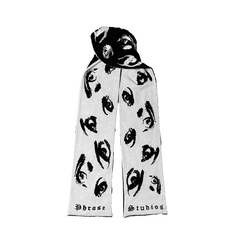
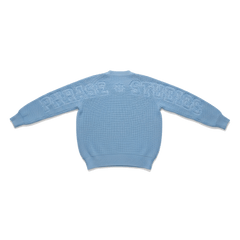
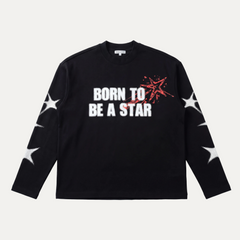
A clothing drop is a limited release of a product at an announced time, sold until it is gone and often not restocked. Instead of a full collection sitting in shops for a season, a brand releases a small run on a set day, tells its audience in advance, and lets the quantity, not the calendar, decide when it ends.
The idea came out of skate shops and sneaker culture, and today it is used by everyone from global labels to two-person studios. Drop culture has real upsides for brands and buyers, and a few downsides worth knowing before you queue, refresh a page or enter a raffle.
What is a clothing drop, in practice?
Most drops follow the same pattern. The brand announces a date and a time, sometimes with a preview of the pieces. At that moment the products go live online, in a shop, or both. Quantities are fixed in advance, so once a size is gone, it is gone. That is what people usually mean by limited edition clothing: not necessarily numbered or rare forever, simply made once in a set quantity.
So when someone asks what does drop mean in clothing, the honest answer is that it describes the release, not the product. A hoodie from a drop can be made exactly like one from a normal collection. What changes is how and when you can buy it.
Where drop culture came from
Drop culture grew from a few places at once.
- Skate shops. Small skate brands made limited runs of tees and decks, partly because small runs were what they could afford, and regulars learnt to check in when new stock landed.
- Supreme. James Jebbia opened Supreme as a skate shop on Lafayette Street in New York in 1994. Its habit of releasing new items every Thursday through the season, in its shops in New York, London and elsewhere as well as online, turned the weekly drop into a ritual. Our guide to streetwear brands like Supreme covers similar labels.
- Japanese labels. In 1990s Harajuku, labels such as Nigo's A Bathing Ape, founded in 1993, made deliberately small quantities of each design, which kept demand ahead of supply. There is more on that scene in streetwear brands like BAPE.
- Sneakers. Limited colourways, release-day queues and later online raffles brought the same logic to trainers, and from there into the wider idea of what streetwear is today.
Why brands drop instead of stocking all year
For a lot of brands, especially small ones, dropping is less a marketing trick than a practical way to run the business.
- Smaller batches. A small run is within reach for a young brand. A full seasonal range in every colour and size often is not.
- Cash flow. Selling one run before paying for the next keeps money moving and lowers the risk of a storeroom full of unsold stock.
- Less waste. Making a realistic quantity means fewer leftovers that end up discounted or written off.
- Community. A release day gives people a reason to come back, talk about the pieces and turn up in person.
- Design freedom. Each drop can try something different without committing a whole season to it.
The downsides
Drop culture is not all upside, and it is fair to say so. Popular releases attract bots that buy faster than any person can click, which is why many brands now use raffles or online queues instead of first come, first served. Raffles are fairer in theory but can feel like luck rather than loyalty. When something sells out quickly, part of it often reappears on resale platforms at a mark-up, which prices out the people the release was meant for. The urgency can also push people into buying in a hurry, in a size they never checked. None of this belongs to one brand; it comes with scarcity, and the better releases are the ones that plan for it.
How to shop a drop
You do not need to treat every release like a race. A little preparation helps:
- Get on the list. Newsletters and early-access lists usually hear about a release first, sometimes with the time and the pieces.
- Know your size beforehand. Measure a piece you own and compare it with the size chart before release day, not during it. For Phrase pieces, use our size guide.
- Check the time zone. A release at a set hour in one city may fall in the middle of the night where you live.
- Save your details. An account with your address filled in saves time at checkout.
- Set your own limit. Decide what a piece is worth to you, and skip resale if the mark-up goes past it.
- Accept that some things sell out. Another release usually follows, and missing one is rarely the end of the story.
- Read the returns policy. Limited pieces sometimes come with different terms, so check before you buy.
Drops vs chapters
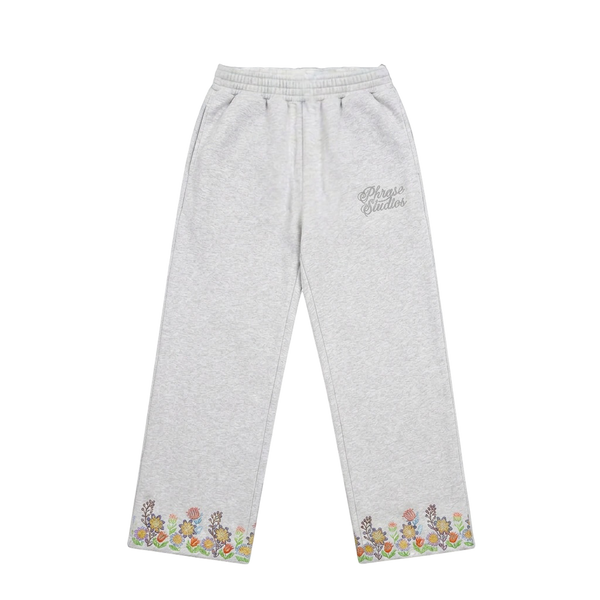
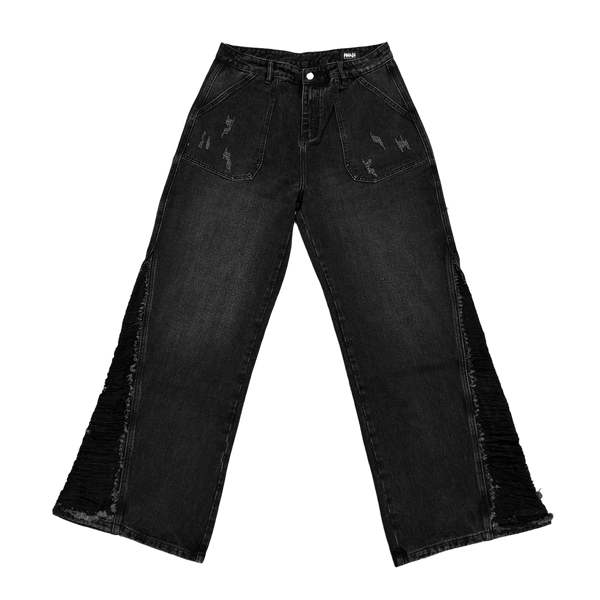
At Phrase Studios, an independent studio in Ghent, Belgium, founded in 2023, we use a slower version of the same idea. Instead of weekly drops we work in numbered chapters: small heavyweight-cotton runs built around one idea, such as the Resurge jeans in chapter 02 or the Floral Bloom embroidered tracksuit in chapter 04. When a chapter closes it is not restocked, so pieces come in small runs and may sell out. We explain the thinking in why we work in chapters, not seasons.
The difference from a classic drop is mostly pace. There is no weekly countdown, just a new chapter when it is ready. To get the next chapter first, join The Circle, our newsletter. You can also see what is current in new arrivals.
A clothing drop is a way of releasing clothes, not a promise of quality or value on its own. The good ones give you a fair chance to buy something made in a sensible quantity. Know your size, follow the brands you actually like, and let the rest go.
FAQ
What does drop mean in clothing?
A drop is a limited release of clothing at an announced date and time. The pieces are made in a set quantity, sold until they are gone and often not restocked, which is what separates a drop from a normal seasonal collection.
Do clothing drops get restocked?
Usually not, although it depends on the brand. Some bring popular items back in a later release, while others, including studios that work in closed chapters, make each run once. Check the brand's own wording before counting on a second chance.
Why do clothing drops sell out so fast?
Quantities are small and fixed, demand is gathered into one moment, and bots and resellers compete with regular buyers. Brands with a loyal following can sell through a run very quickly, which is why knowing your size in advance helps.