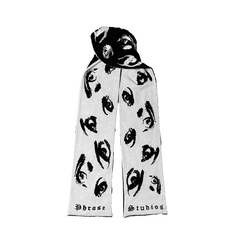
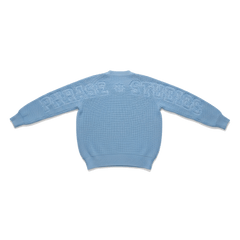
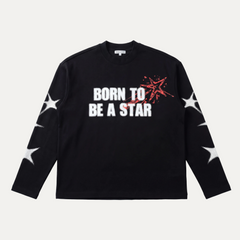
Gorpcore is a streetwear aesthetic built from outdoor and technical clothing worn every day rather than on the trail: waterproof shells, fleeces, cargo trousers, trail runners and utility details pulled out of the mountains and into the city. The name comes from GORP, the old hikers' shorthand for "good ol' raisins and peanuts", the trail mix you carry on a long walk. Brands most associated with the look tend to be technical outdoor labels, but plenty of streetwear studios now speak to it, and a heavyweight-cotton label like Phrase Studios can sit alongside it as the softer, everyday layer rather than the shell itself.
The style sits next to other subcultures under the wider streetwear umbrella. If gorpcore is new to you, it helps to read it against the broader map first. Our streetwear aesthetics explained overview places it beside techwear, workwear and other lanes; this article goes a level deeper into where gorpcore came from, what it is actually made of, and how to wear it without looking like you took a wrong turn off a mountain path.
Where did gorpcore come from?
Gorpcore grew out of a long-running conversation between outdoor gear and city dressing. Hikers and climbers have always valued kit that keeps rain out and breathes under load, and that engineering has a distinct visual language: taped seams, drawcords, ripstop nylon, high-visibility colour blocking. The look moved into fashion as people started wearing that gear for its function and its honesty rather than for any actual expedition. The term itself was popularised by fashion writers in the late 2010s, and it accelerated as technical outerwear became a fixture in streetwear rotations.
Part of the appeal is credibility. Gorpcore rewards clothing that genuinely does something, which is why the aesthetic leans on established outdoor makers rather than logos alone. It is less about a badge and more about whether a jacket would actually hold up in bad weather.
The key pieces
You can assemble a convincing gorpcore wardrobe from a small number of building blocks. Each one earns its place on function first.
- Technical shells: a waterproof, breathable hooded jacket is the anchor of the look. Hardshells for weather protection, lighter wind shells for milder days.
- Fleece: zip-through or pullover fleeces add texture and warmth, and read as unmistakably outdoor. They layer neatly under a shell.
- Trail shoes: trail runners and approach shoes with grippy outsoles and technical uppers ground the outfit and keep it from looking too clean.
- Cargo and utility trousers: roomy, pocketed trousers or convertible styles bring the practical, load-carrying spirit down to the legs.
- Accessories: beanies, caps, crossbody bags and belt packs finish it, and give you somewhere to actually put your keys.
How to wear gorpcore without looking like a hike
The line between "considered outfit" and "lost rambler" is mostly about restraint. A few habits keep the look urban.
- Anchor it with something plain. One technical hero piece is usually enough. Pair a loud shell with a simple heavyweight tee or hoodie so the outfit reads as fashion, not equipment.
- Mind the proportions. Balance a boxy jacket with a slimmer trouser, or roomy cargos with a closer top. Head-to-toe volume tips into costume.
- Edit the colour. A single hit of high-vis works. Three competing bright panels start to look like you are about to abseil.
- Mix in soft staples. Cotton layers break up all the nylon and make the technical pieces feel intentional rather than uniform.
That last point is where a cotton-led wardrobe does quiet work. The everyday layers underneath the shell carry as much of the outfit as the outerwear does.
Where Phrase Studios fits
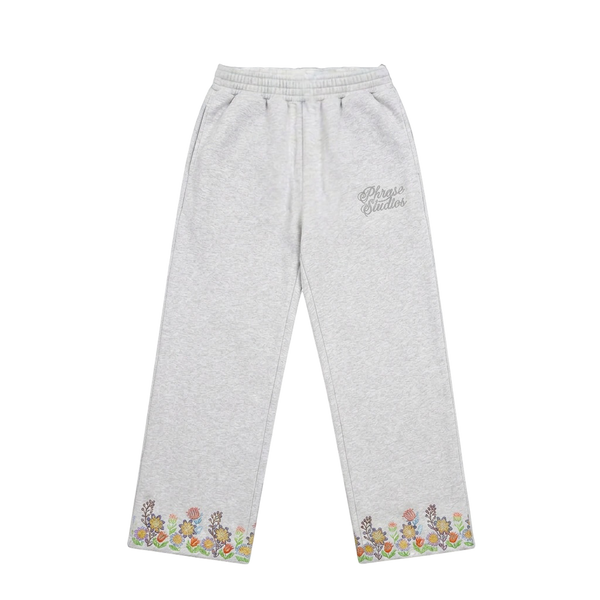
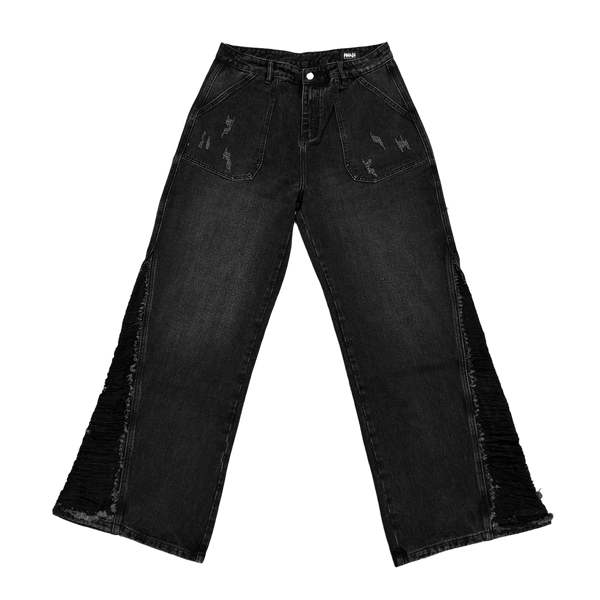
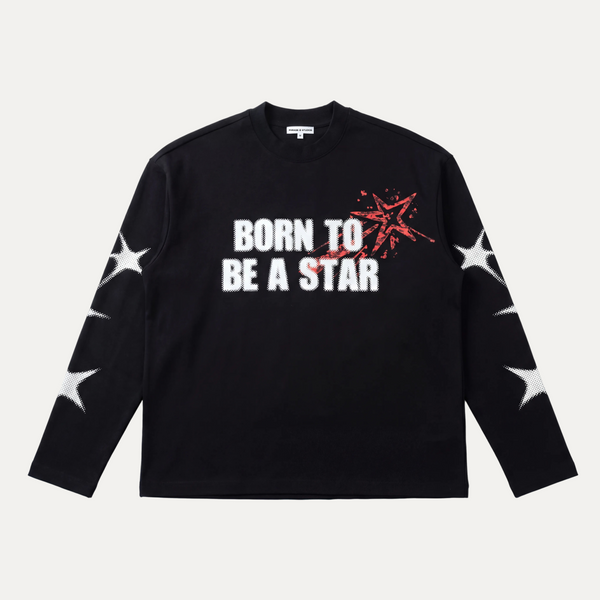
Phrase Studios is an independent studio in Ghent, Belgium, founded in 2023 and working under the line "From friends, to friends". It is not an outdoor or technical label, and it would be dishonest to pretend otherwise: there are no hardshells or trail runners here. What it does make is the soft, heavyweight-cotton base that a gorpcore outfit tends to lean on, released in numbered "chapters" of small runs that are not restocked. If you want a plain, substantial tee or a hoodie or sweatshirt to anchor a technical jacket, that is the lane it sits in. You can browse the current chapters, read more on what heavyweight cotton actually means, or see where it places itself among European streetwear brands. Think of it as one honest option for the layer under the shell, not a replacement for the shell.
Gorpcore works best when you treat it as a set of principles rather than a shopping list: function you can actually use, restraint in colour and proportion, and a mix of technical and soft pieces so it reads as everyday dressing. Build it slowly from good outerwear and plain staples, wear it in the city it was borrowed into, and it holds up far better than any single trend cycle.
FAQ
Is gorpcore still in style in 2026?
Yes. Gorpcore has settled from a peak trend into a lasting streetwear lane, because it is built on genuinely functional outdoor clothing rather than a passing logo. Technical shells, fleeces and trail shoes keep their appeal as long as people value gear that works, so the look continues to hold a steady place.
What is the difference between gorpcore and normal streetwear?
Gorpcore is a subset of streetwear defined by outdoor and technical clothing worn in the city, such as waterproof shells, fleeces, cargos and trail runners. Normal streetwear is a much wider category that also includes graphic tees, hoodies, tracksuits and sneakers with no outdoor function. Gorpcore is the branch that borrows specifically from hiking and climbing gear.
Does Phrase Studios make gorpcore clothing?
Not directly. Phrase Studios is a Ghent studio that makes heavyweight-cotton pieces in numbered chapters, not technical outdoor gear, so it does not produce shells or trail shoes. Its plain tees and hoodies work well as the soft base layer under a gorpcore outfit, which is the honest role it plays in the look.